Social




A new forest will soon take root near Edmonton, creating a “green island” within Alberta’s Industrial Heartland.
Roughly the size of 50 Canadian football fields, the Keyera Legacy Forest is a partnership between pipeline operator Keyera, environmental nonprofit Project Forest and Strathcona County.
The partners call the project a rare, once-in-a-lifetime opportunity to responsibly restore designated industrial land.
“In this province, it can take 80 to 100 years for a forest to establish itself fully. But if you are driving past this site in 15 to 20 years, you’ll look over and see a forest and you won’t know it’s been planted,” said Project Forest founder and executive director Mike Toffan.
Not industrial reclamation
The Keyera Legacy Forest is not an industrial reclamation project, Toffan stressed.
“There is no legal responsibility or liability attached to this site or any sites we work on,” he said.
Project Forest partners with landowners or rights holders who want to bring back wilderness to local landscapes, Toffan said.
The projects are designed to be accessible to surrounding communities, allowing citizens to engage with natural spaces.
Between 2020 and 2024, the nonprofit reports planting 13 forests across more than 320 acres, with support from 72 funding partners.
“What’s critical for us as an organization is there is no greenwashing through our projects. We are not an oil and gas lobbyist, either,” Toffan said.
“We have corporate partners in many different sectors, including retail and banking, but we are proud of our partnerships with energy companies, too. The ones we work with, like Keyera, are amazing corporate citizens who care about doing the right thing.”
Building ecological value
Project Forest previously partnered with Keyera to plant 4,000 trees in the 32-hectare Camp Creek Conservation Area about 150 kilometres northeast of Edmonton, and the Wagner Natural Area, a 251-hectare protected area on the western outskirts of Alberta’s capital.
“The Wagner Natural Area has a high ecological importance,” Toffan said.
“There’s a fen with very rare orchids and plants and it is essential that those unique areas are preserved as urban environments grow.”
New forest planting to begin
Work on the Keyera Legacy Forest will start this fall, with more than 40,000 native trees and shrubs scheduled for planting in areas that did not naturally regenerate following a 2009 wildfire.
“The forest fire burned so hot that the seed source was destroyed in certain areas. And while the plants are coming back naturally in patches, it’s not coming back like it should be,” Toffan said.
“It’s a complicated project because there’s above and below ground infrastructure in the region.”
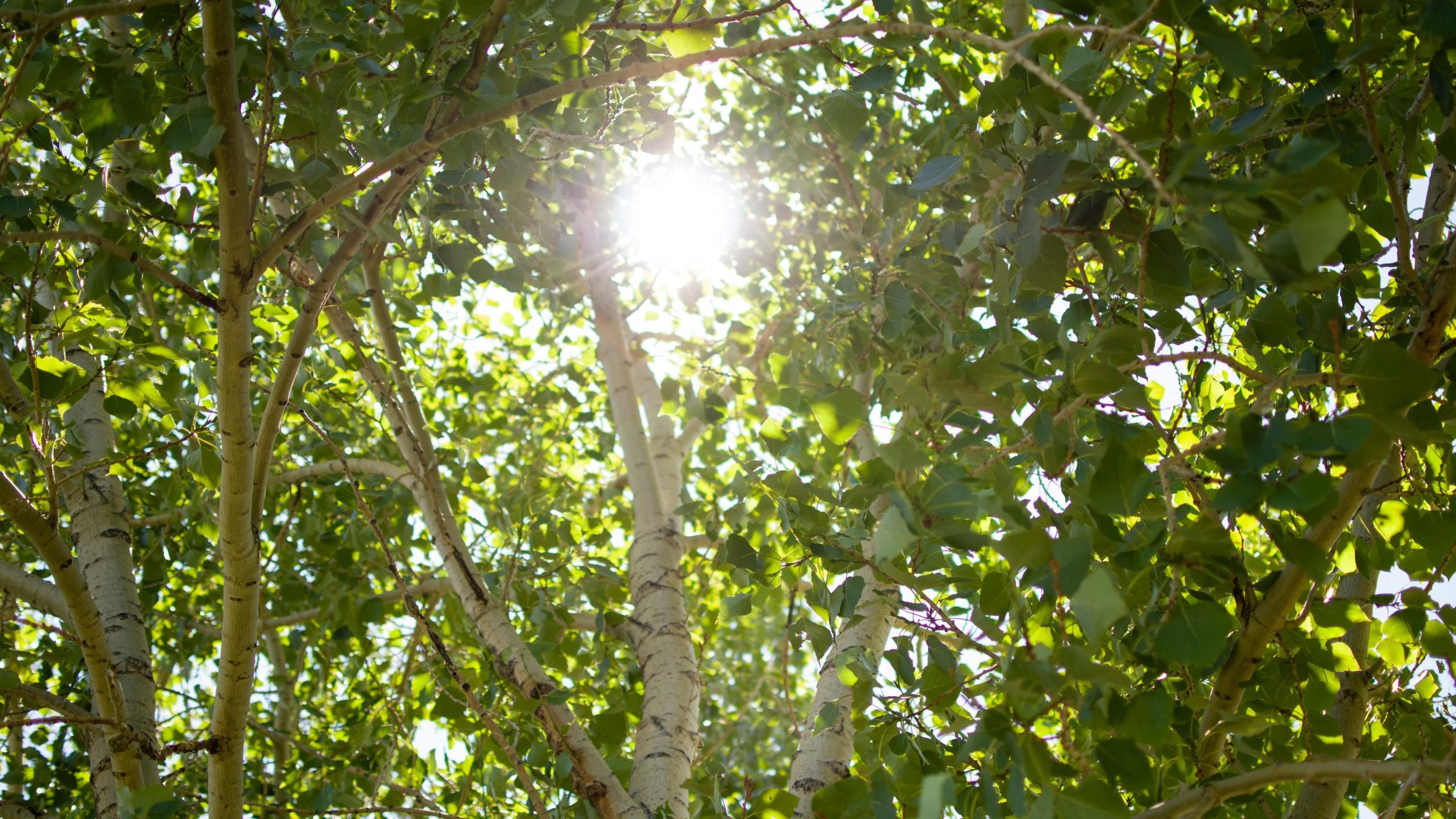
The team will plant native species, with balsam poplar and white birch accounting for the majority of trees along with white spruce and western mountain ash. There will also be bushes including pin cherry and western choke cherry.
Long-term community impact
The forest will be on land owned by Strathcona County, which used a conservation easement to protect the area.
Stephen Rausch, the municipality’s manager of investment attraction, said projects like this help build stronger ties with industrial operators that want to give back to the community.
“It reflects our desire to be the community of choice for new investments that have broad impacts to our residents and economy,” Rausch said.
Keyera is a major employer and landowner in the area, said Brandon Wood, Keyera’s director of external affairs.
The forest is an opportunity to deliver a lasting impact by supporting biodiversity in a region where the company has operated for more than 20 years, he said.
The unaltered reproduction of this content is free of charge with attribution to the Canadian Energy Centre.