Social




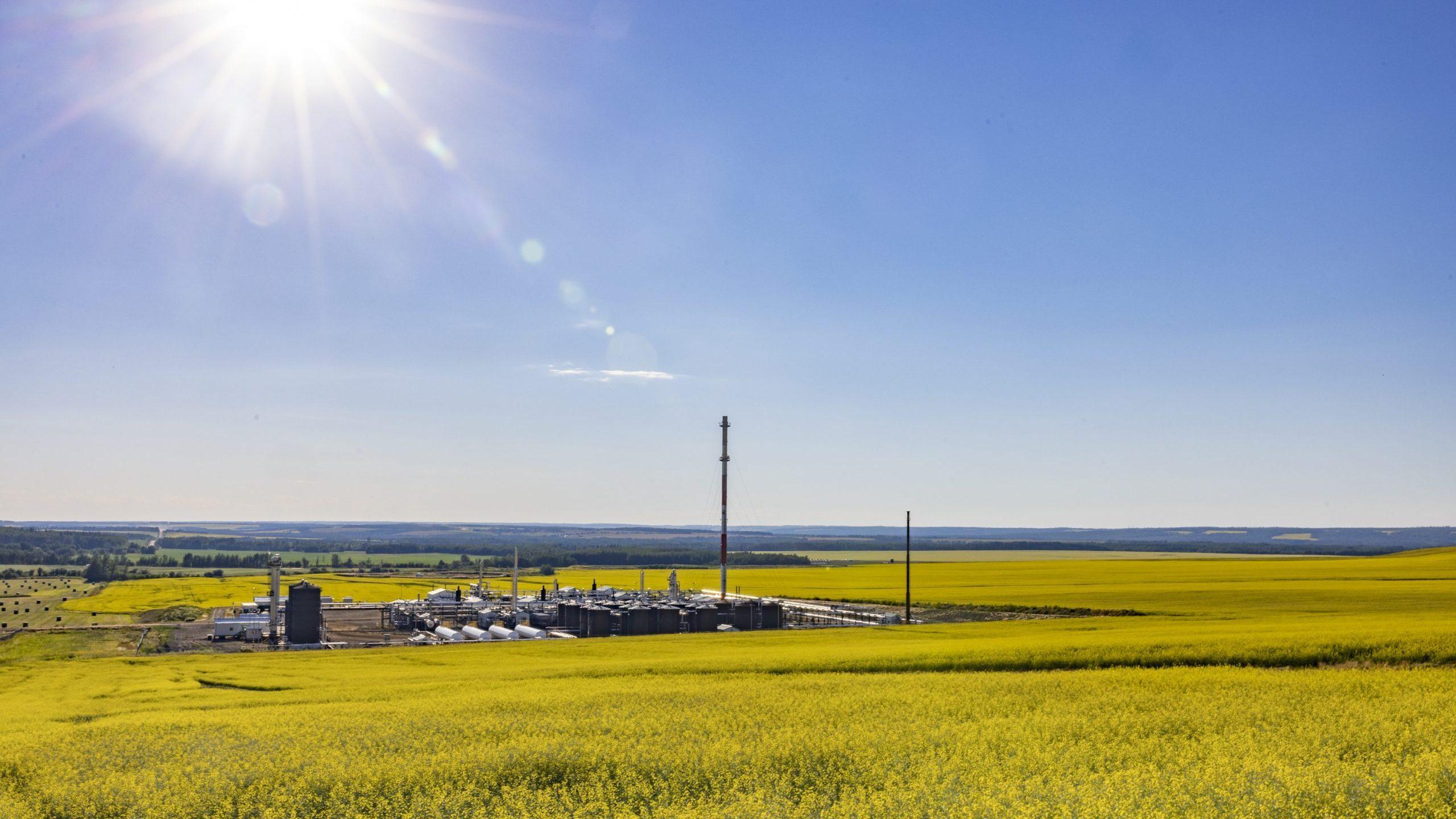
As a sustainability consultant in Canada’s oil and gas industry, Jamie MacKenzie Eddy has the unique opportunity to get an up-close look at a wide range of energy production.
From wellheads and compressor stations to control rooms and corporate boardrooms, MacKenzie Eddy is able to gain a holistic understanding of how a company runs its operations.
From high-level priorities to the nitty-gritty details of daily maintenance and repairs, he sees how the rubber hits the road when it comes to responsible development.
And while every firm is different, he has found something common among all his clients:
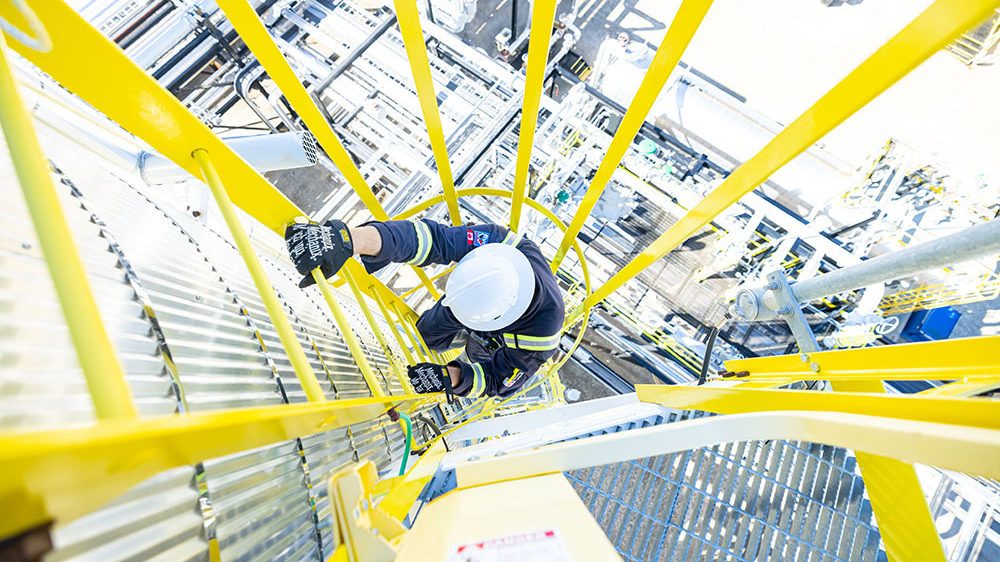
“When I visit a site, I am always impressed by how much pride the field staff take in the work they are doing to do things better and become more efficient,” said MacKenzie Eddy, a senior analyst of sustainability and emissions management for Calgary-based energy consulting firm GLJ Ltd.
“Having an outsider come in is a chance for operators to show off, and it is so rewarding because it is often our assessments that enable a company to truly see all the good work they are doing to improve their environmental performance.”
Certification gains traction
Much of MacKenzie Eddy’s work these days is focused on helping upstream oil and natural gas producers achieve certification for their sustainability practices from recognized international assessment agencies.
As demand for natural gas climbs in North America and globally — and Canadian production hits record highs — producers in Western Canada are pursuing voluntary certification to demonstrate their commitment to sustainability to investors, customers and local partners.
Canada’s largest natural gas producer sets global first
In February, the country’s largest gas producer, Tourmaline, became the first company in the world to secure independent certification for its integrated natural gas production system under a methane emissions framework called MiQ.
The certification requires detailed measurement, monitoring and reporting of methane intensity, along with third-party validation.
Tourmaline’s certification is notable not just for being first — but for its scope.
Rather than certifying isolated wells or facilities, the company achieved MiQ’s Grade A certification across its fully integrated production system, spanning upstream production, gathering and boosting, and gas processing facilities.
The recognition reflects years of investment in technology and infrastructure to manage emissions across the company’s extensive assets in Alberta and British Columbia, which supply 19 per cent of Canada’s gas exports.
In the company’s most recent sustainability report, Tourmaline reported a 25 per cent reduction in methane emissions intensity since 2020 and about $50 million invested in environmental performance initiatives in 2024.
“Tourmaline is demonstrating the level of transparency and accountability that global gas markets are increasingly demanding,” said Georges Tijbosch, CEO of London-based MiQ.
Rising demand, falling emissions
The achievement comes amid growing liquefied natural gas exports and record high Canadian natural gas production – reaching 20 billion cubic feet per day in late 2025 – underscoring both the scale and growing global relevance of the country’s supply.
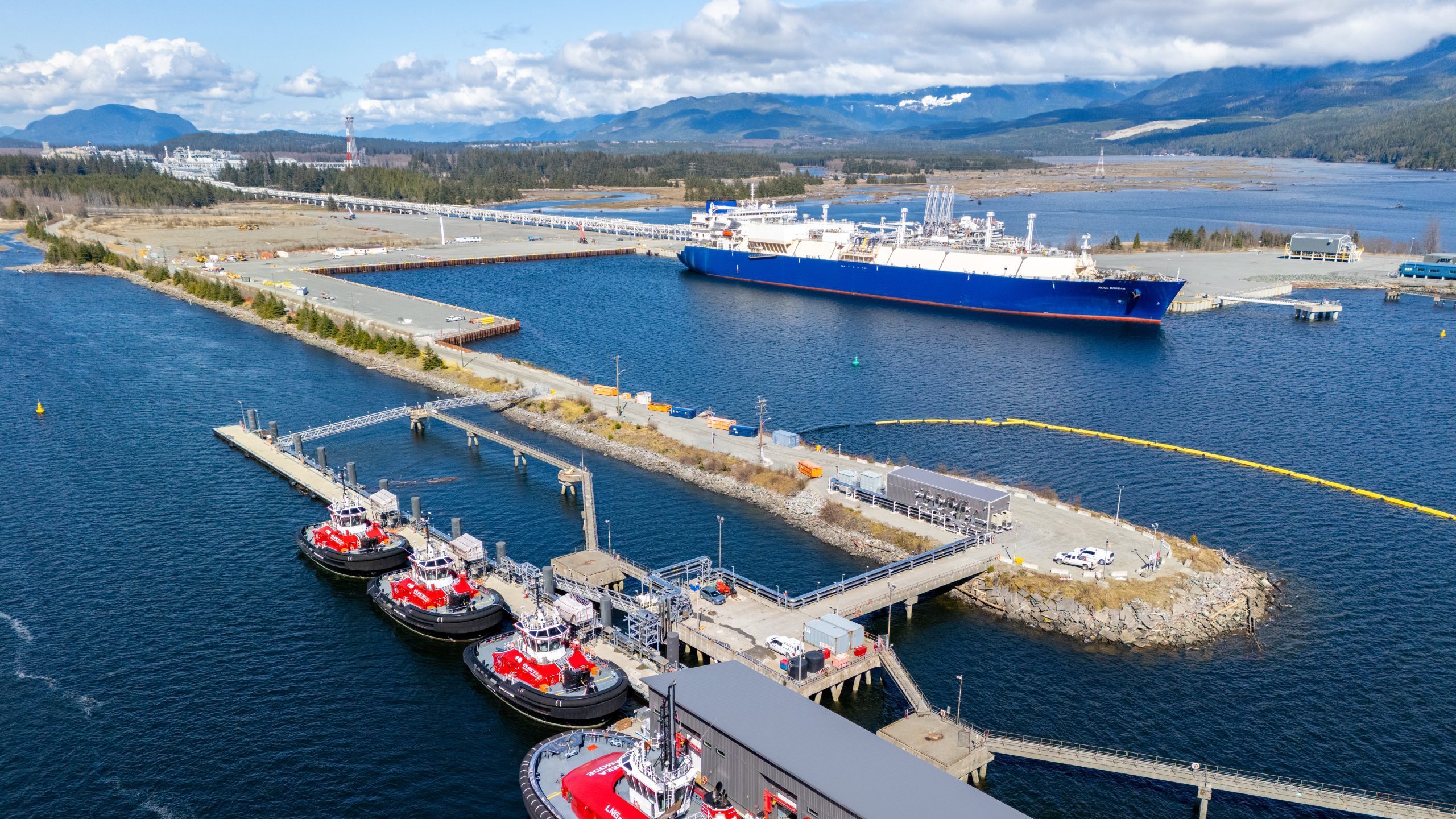
Exports from the LNG Canada project reached a reported one million tonnes for the first time in April, a milestone for the project, which began shipments last July.
New LNG projects including Cedar LNG and Woodfibre LNG are under construction, with the Ksi Lisims LNG terminal expected to reach a final investment decision this year.
Tourmaline’s certification reflects industry-wide success in curbing emissions, as Alberta oil and gas companies beat the provincial government’s goal of cutting methane emissions 45 per cent below 2014 levels by 2025, surpassing the target three years early in 2022.
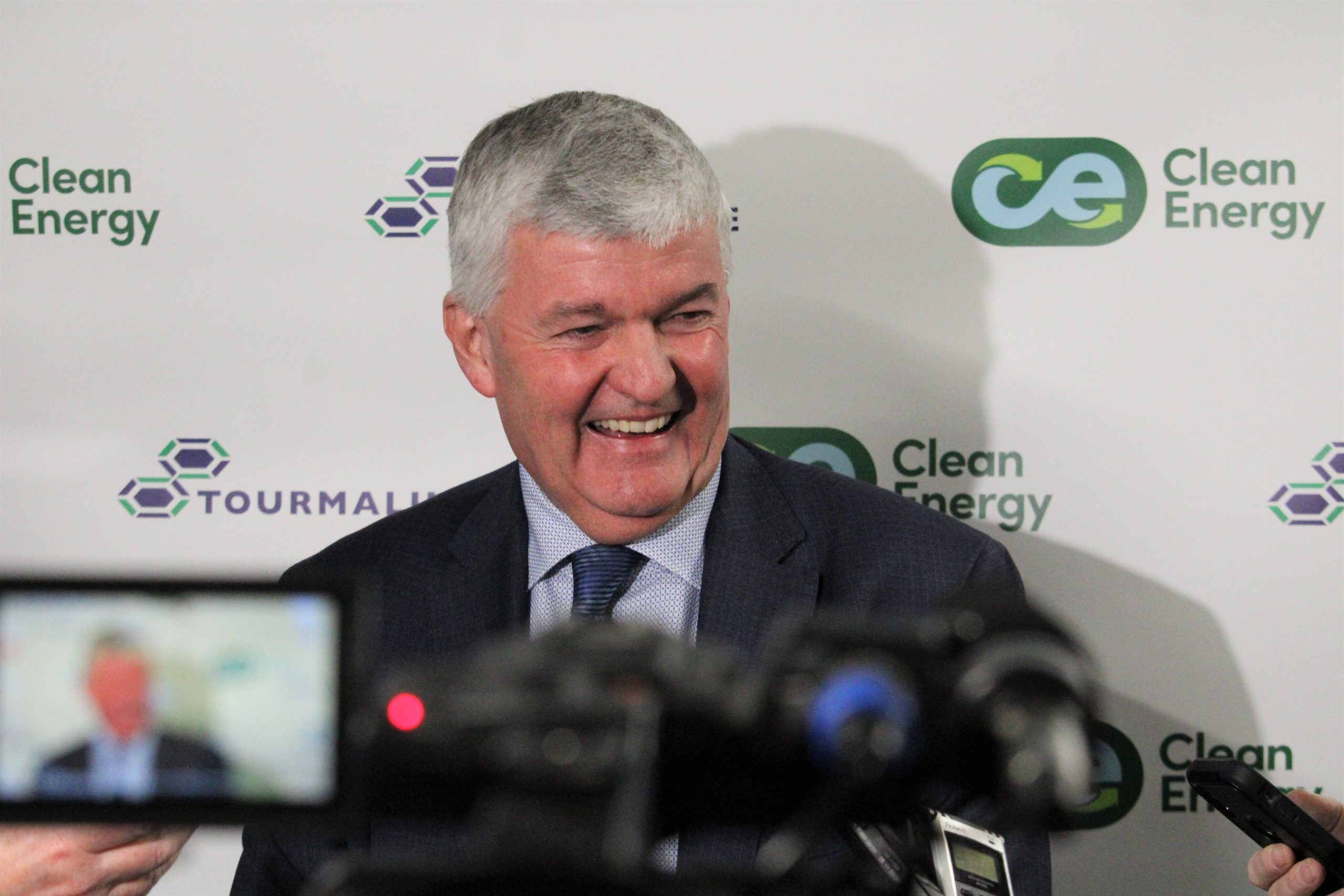
“We know that countries around the world want more Canadian natural gas, and this certification reinforces Tourmaline and Canada as a trusted and reliable global energy supplier,” said Tourmaline CEO Michael Rose.
Beyond markets: building trust
Beyond attracting international customers, Canadian oil and gas producers are using third-party validation to measure progress and build credibility with Indigenous groups, local communities and other key partners.
“Canadian companies are exceeding regulatory requirements and lead their global peers in environmental, ethical, governance and social principles such as free, prior and informed consent and human rights,” says Pepita Elena McKee, CEO of Impact Resolutions, a firm specializing in cumulative impact assessment, performance assurance standards and diversity, equity, belonging and access services.
Impact Resolutions was not involved in Tourmaline’s MiQ certification process, but it has led sustainability certifications for Canadian companies since 2019.
This includes a joint MiQ and Equitable Origin certification for Veren Inc. under Equitable Origin’s EO100 standard — covering environmental performance, safety, Indigenous rights, labour relations and stakeholder engagement.
Canadian companies including Pacific Canbriam Energy, Vermilion Energy, ARC Resources, Pipestone Energy and Hammerhead Resources achieved EO100 certification through Impact Resolutions, representing a substantial share of the energy producers certified across North America.
Continuous improvement over ratings
“The EO standard is not a ‘check the box exercise’ but an effort on the part of the operator for continuous improvement,” said McKee, whose company works with GLJ to assess environmental performance metrics.
MacKenzie Eddy agrees, adding that Canadian operators are less focused on ratings than on the tangible improvements identified through the certification process.
“It’s rewarding to go to a control room and see the certification hanging on the wall, but the real value comes from all the opportunities you find and the continuous improvement that happens year after year,” he said.
The unaltered reproduction of this content is free of charge with attribution to the Canadian Energy Centre.