
Social




Dow Canada president Skya Kruithof has spent much of his career in the United States, but says that as a Canadian, he’s “extremely proud” of what the company is doing in Alberta.
Earlier this year, amid improving market conditions, Dow recommitted to completing a $10-billion petrochemical expansion near Edmonton where work was slowed the previous spring.
“We always knew this was the right project for Dow and was going to provide real value long term,” said Kruithof, who was appointed Dow Canada’s president in 2024.
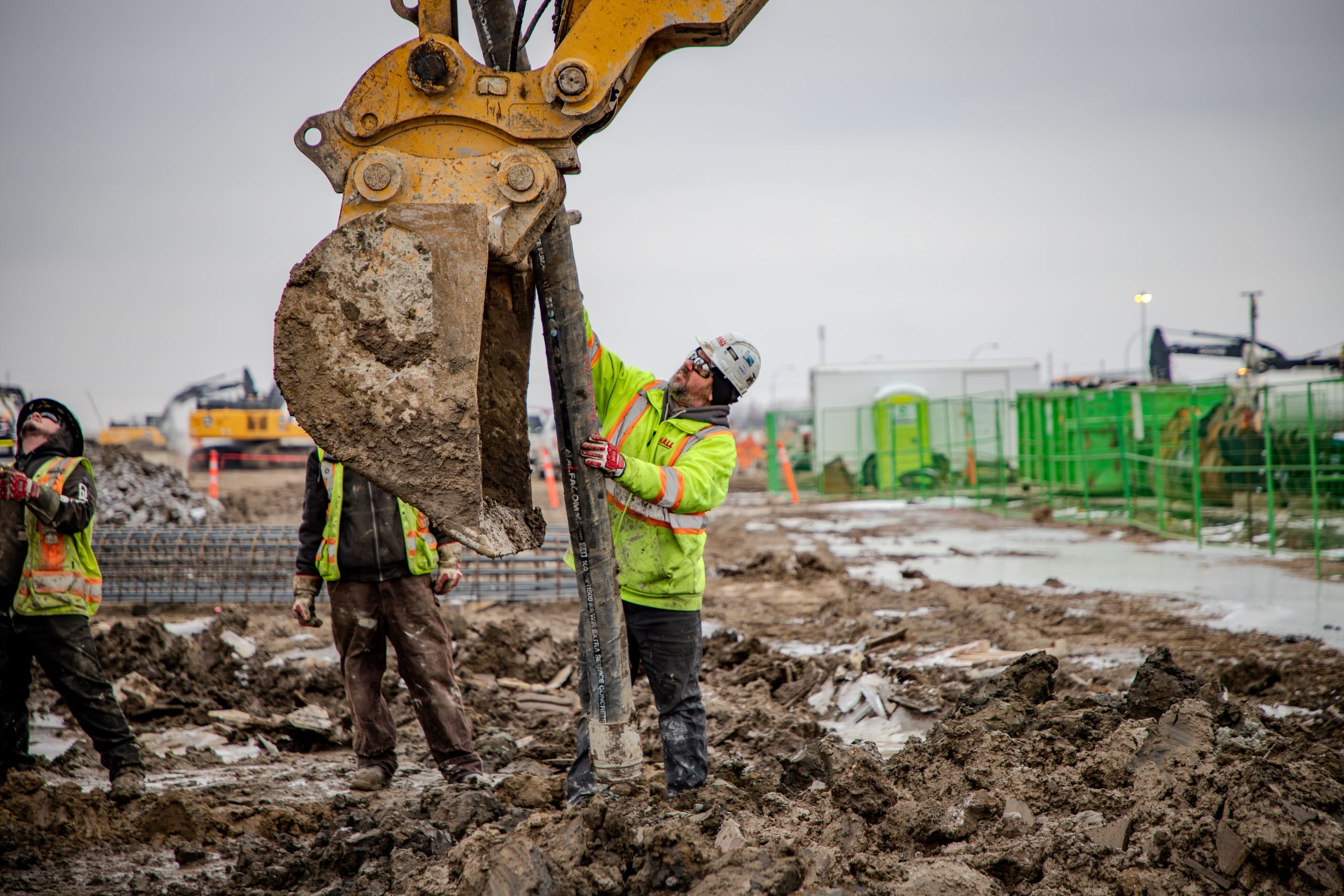
He said the Path2Zero project in Fort Saskatchewan — which will produce polyethylene, one of the world’s most widely used recyclable plastics — shows the opportunity for Alberta and Canada.
“If you look around your house, you’ll see many products and materials made from polyethylene,” Kruithof said.
“Rather than shipping raw materials to other countries to upgrade, this facility is applying some state-of-the-art technology and industrial processes to turn gas that would otherwise be burned into products several times as valuable as the raw commodity,” he said.
“That provides jobs, positive GDP for Canada and improves the value of our exports. That’s why I’m excited.”
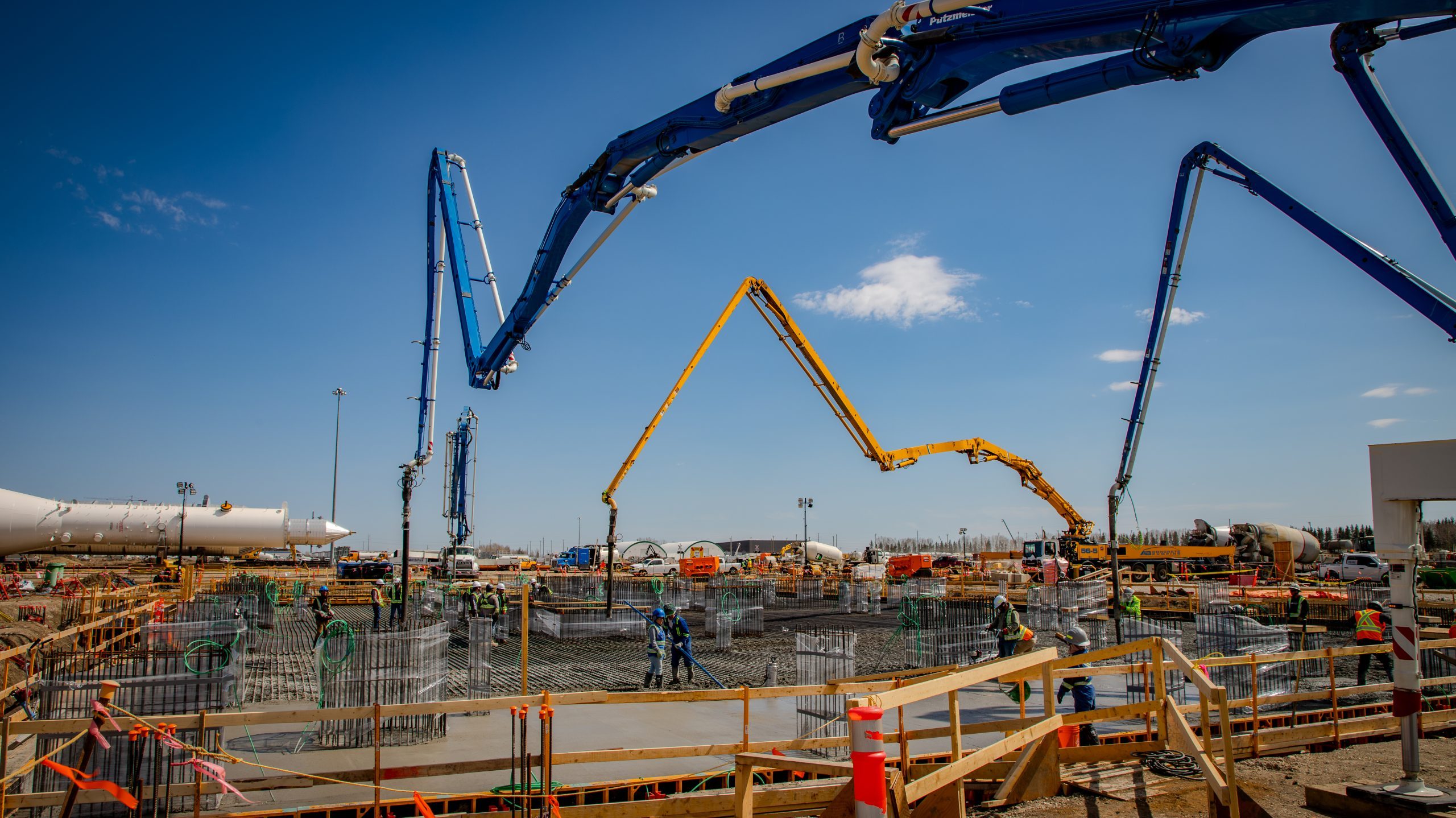
The project is being developed in two phases, with the first targeted for operations at the start of 2029 and the second at the end of 2030.
Construction, which will employ up to 6,000 workers, is set to peak in 2027 and 2028. Dow projects the complex will provide 400 to 500 full-time jobs once it goes into service.
Demand for low-carbon products
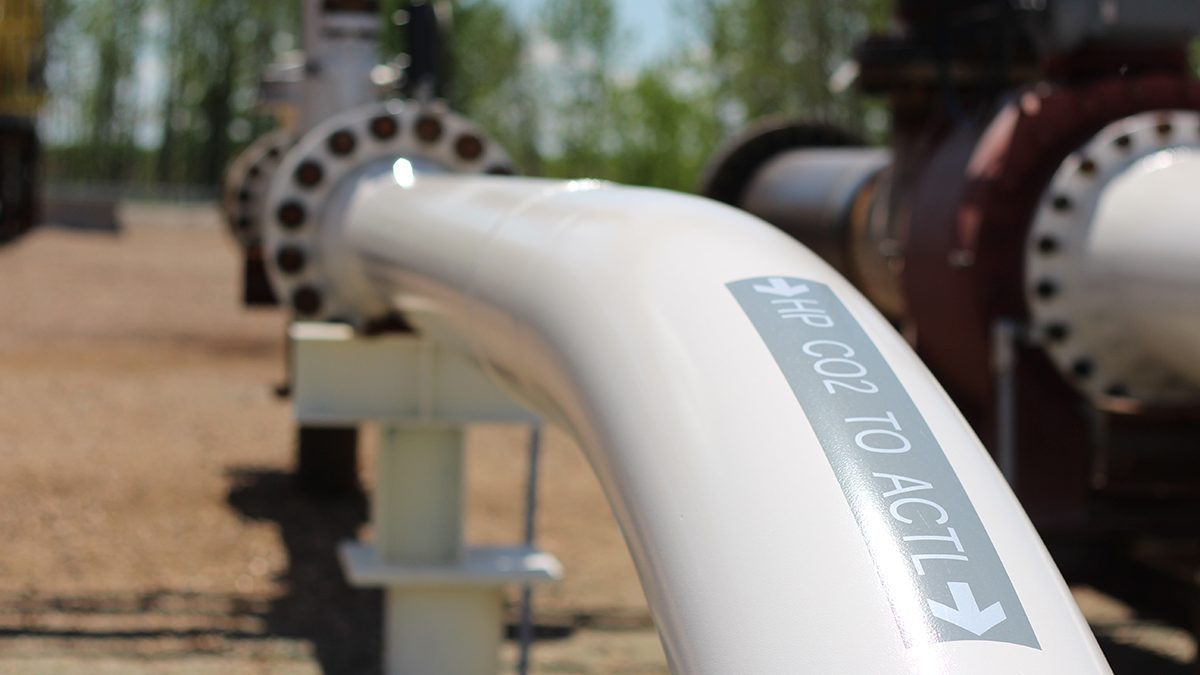
Dow, a global giant, selected Fort Saskatchewan from a list of potential sites worldwide in part because of the existing infrastructure for low-carbon production, including the Alberta Carbon Trunk Line (ACTL), one of the world’s largest CO2 pipelines.
Dow has an agreement in place with ACTL owner Wolf Midstream to use space on its system.
By capturing and storing CO2 emissions and generating hydrogen on-site, the complex will be the world’s first ethylene cracker with net zero emissions from its operations.
Kruithof said it will help meet growing global demand for certified low- and zero-carbon-emission polyethylene.
“Many of our customers specifically look for products that are low-carbon solutions,” he said.
In September 2025, Dow finalized an agreement to supply Procter & Gamble with reduced-emissions materials for its products.
P&G’s portfolio includes major household brands including Tide, Pampers, Oral-B, and Gillette.
Access to global markets
The existing rail connection to Canada’s West Coast was another factor in Dow’s selection of Fort Saskatchewan for its expanded petrochemical complex.
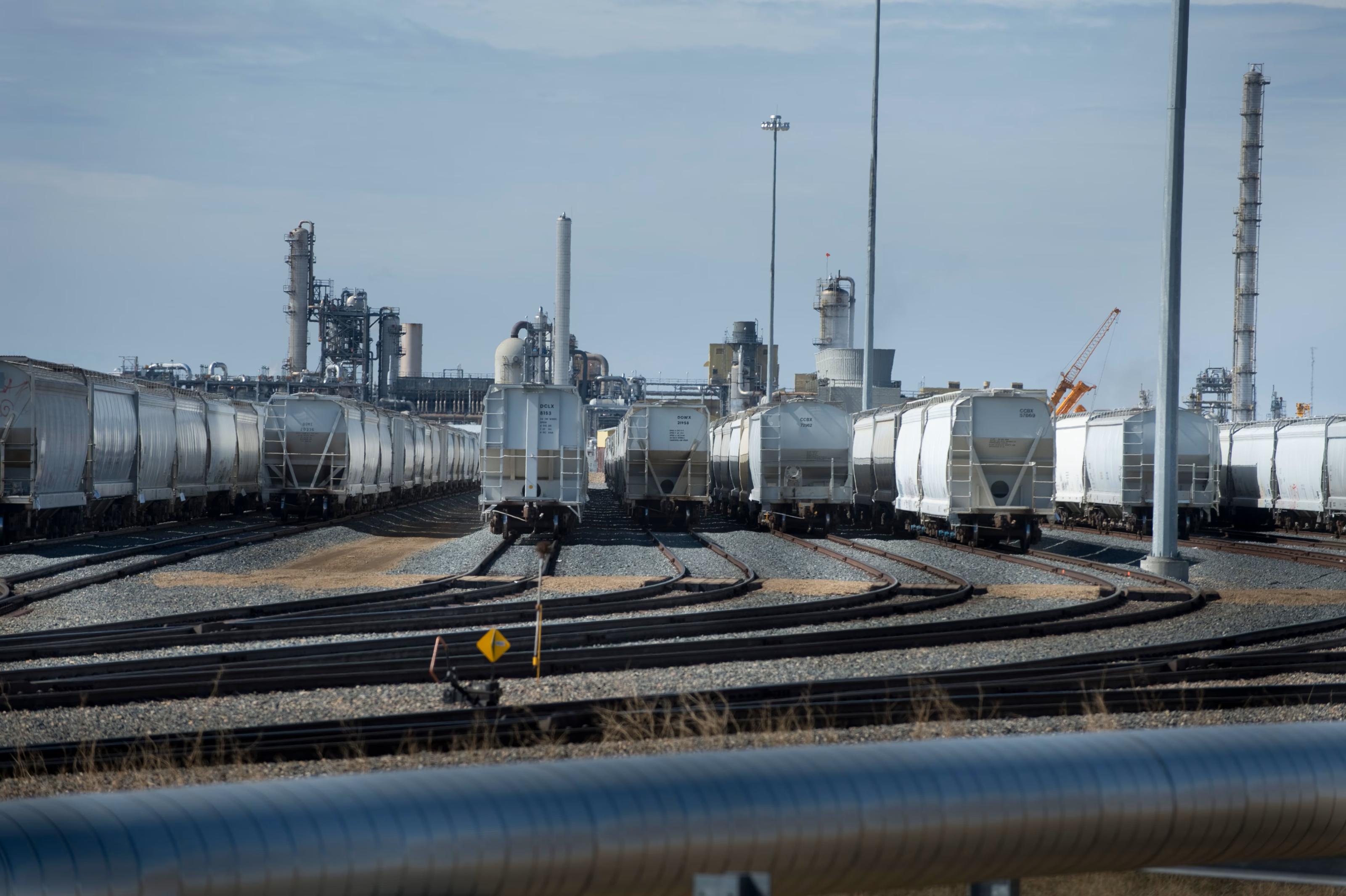
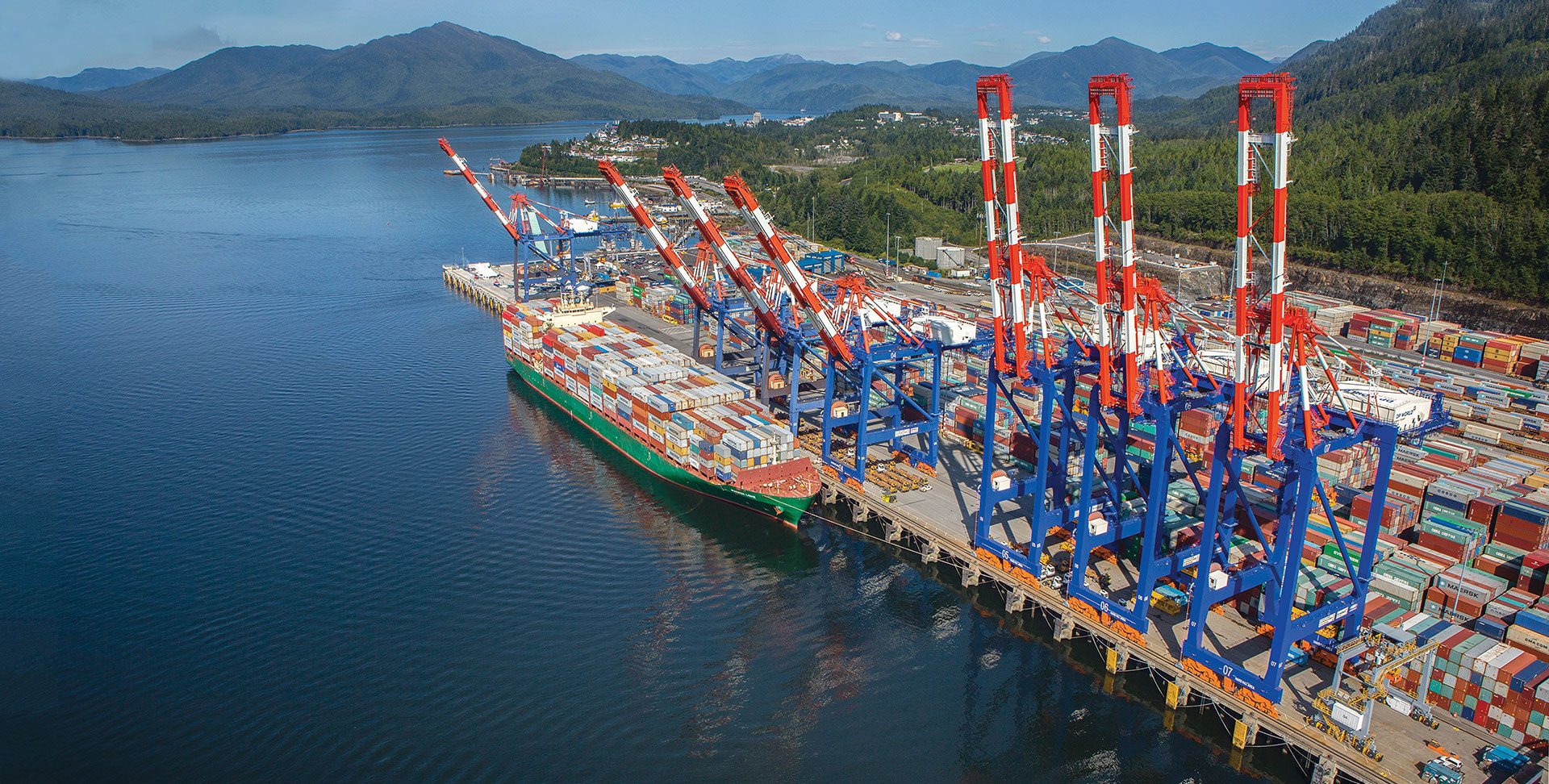
“This facility will feed the Canadian market and, to some degree, the U.S. market, but one of the really exciting parts of this project has been the access to Prince Rupert,” Kruithof said.
The Port of Prince Rupert, one of Canada’s largest, is two days closer to Asia than any other West Coast port.
“The port is key. We’ll send rail cars from Fort Saskatchewan on CN Rail to the Port of Prince Rupert . And we’ll fill shipping containers, which would otherwise leave empty, with polyethylene products for shipment to global customers.”
Welcome in Fort Saskatchewan
Dow’s Path2Zero restart was welcomed in the local community.
“People here have greeted this as very positive news,” said Fort Saskatchewan Mayor Lisa Makin.
“Having an industry-leading facility being built here is a source of pride. It is going to create thousands of jobs for residents during construction as well as hundreds of high-quality permanent positions when it starts operations.”
The city provided support for the project through the Heartland Incentive Program, which provides projects with financial support during the early stages of development and construction.

Makin noted the city worked with the federal and provincial governments to help the project move ahead.
The province has committed up to $1.8 billion in support through the Alberta Petrochemicals Incentive Program, while the federal government is contributing up to $400 million through its Strategic Response Fund.
Additional incentives are expected through federal CCUS and clean hydrogen investment tax credits.
“It was really a team effort between the province, Ottawa and us,” Makin said.
The unaltered reproduction of this content is free of charge with attribution to the Canadian Energy Centre.