Social




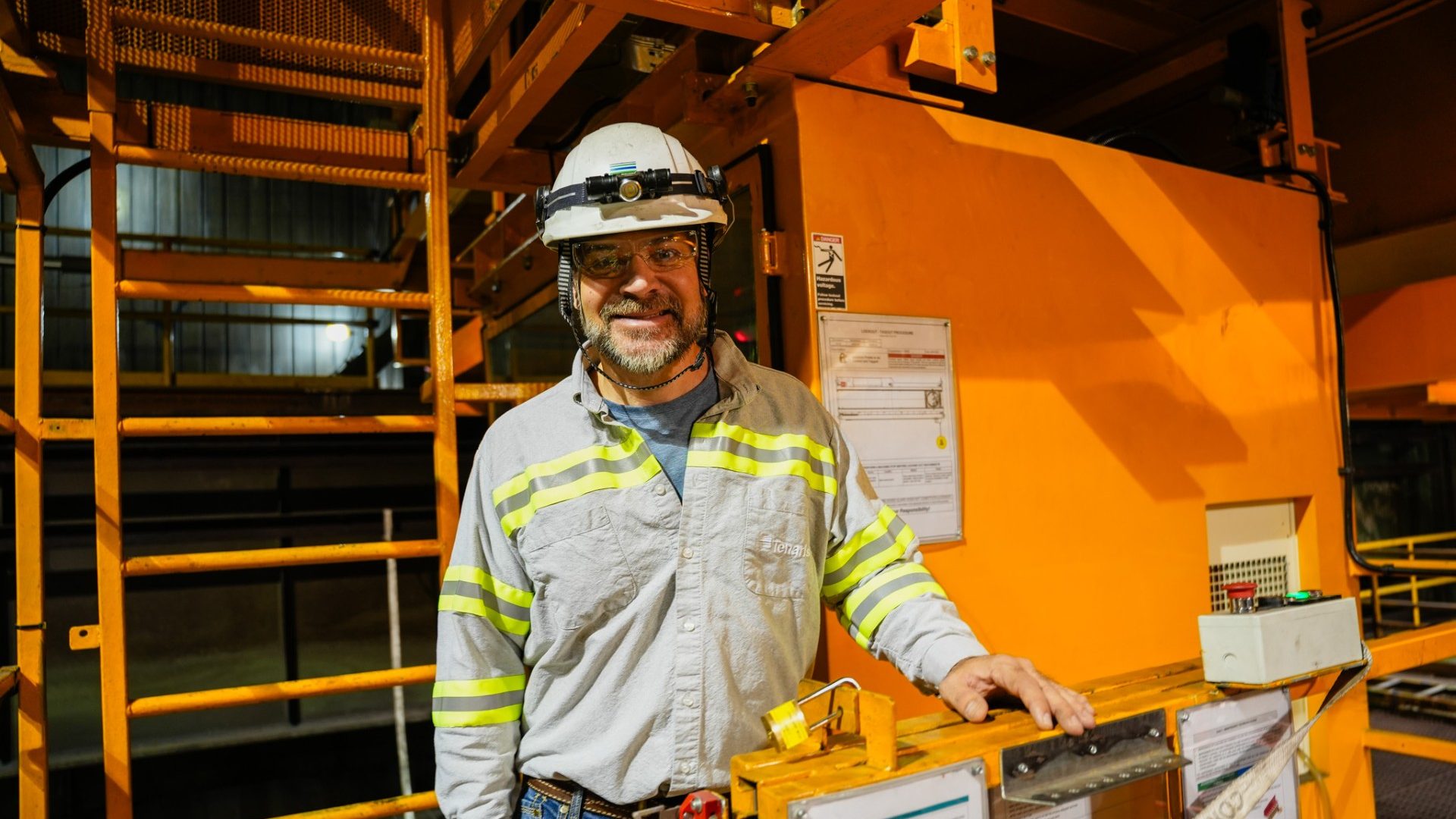
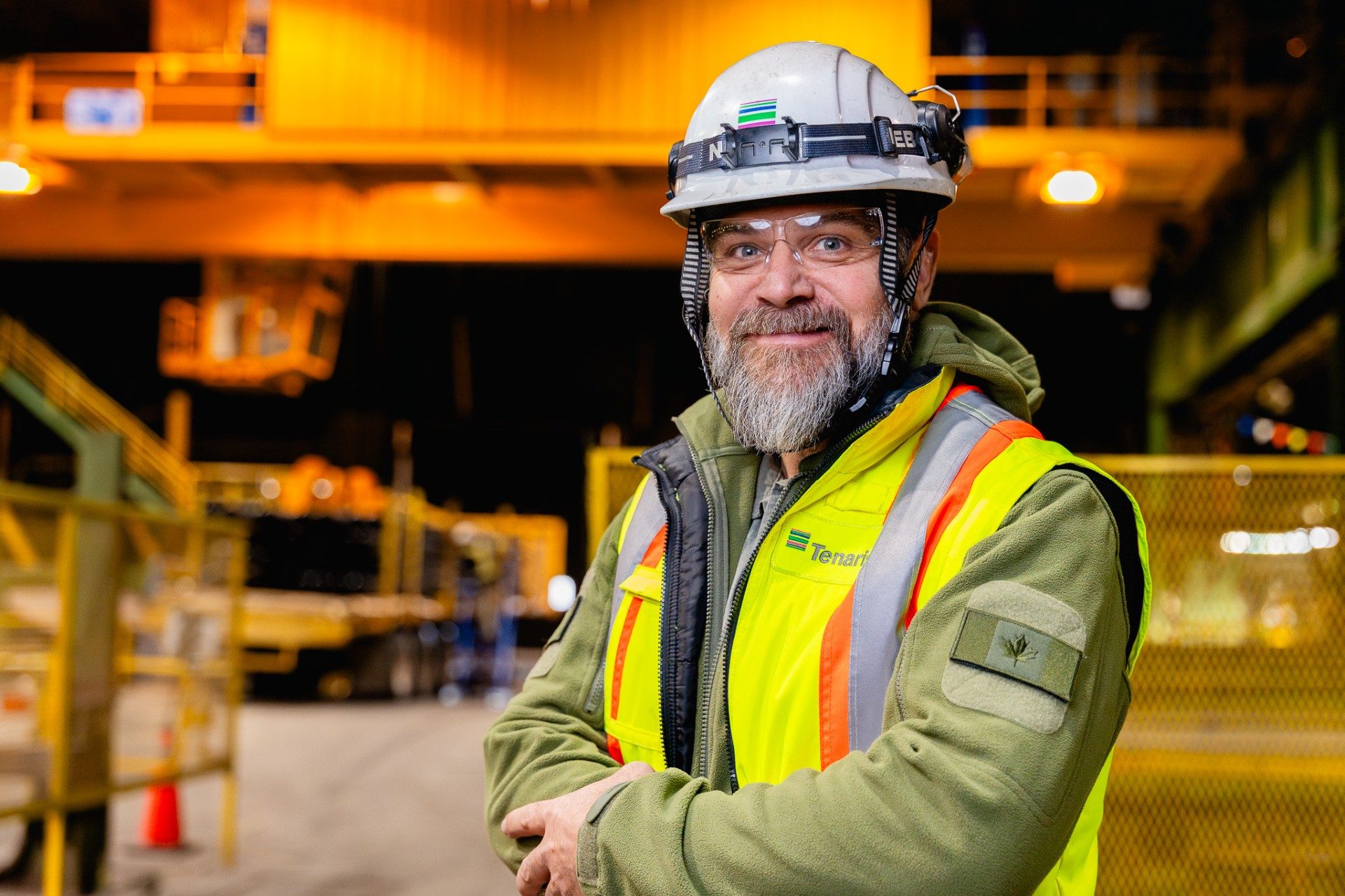
In the heart of the Canadian Shield, Jason Trevisanut has built a life — one measured not just in years working in the local steel industry, but in important milestones.
Starting a family, moving into a new home, countless motorcycle trips, fishing expeditions and a 25-year career that has evolved along with one of the country’s most important industries.
“I was born and raised here, and I’ve seen quite a few people have to leave the community, not because of want but because of need, which is tough,” says Trevisanut, a maintenance manager at the Tenaris steel pipe manufacturing facility in Sault Ste. Marie, Ontario.
“I’m really glad that I’ve been able to be part of Tenaris here since the beginning. When companies come in and put their feet on the ground here, the impact is huge. It allows people to have a good life and do all the things they enjoy when they’re not at work.”
That impact just got bigger.
In May, Tenaris announced a landmark $306 million investment to expand its Sault Ste. Marie operations, which include Canada’s only facility producing seamless steel pipe for the oil and gas sector.
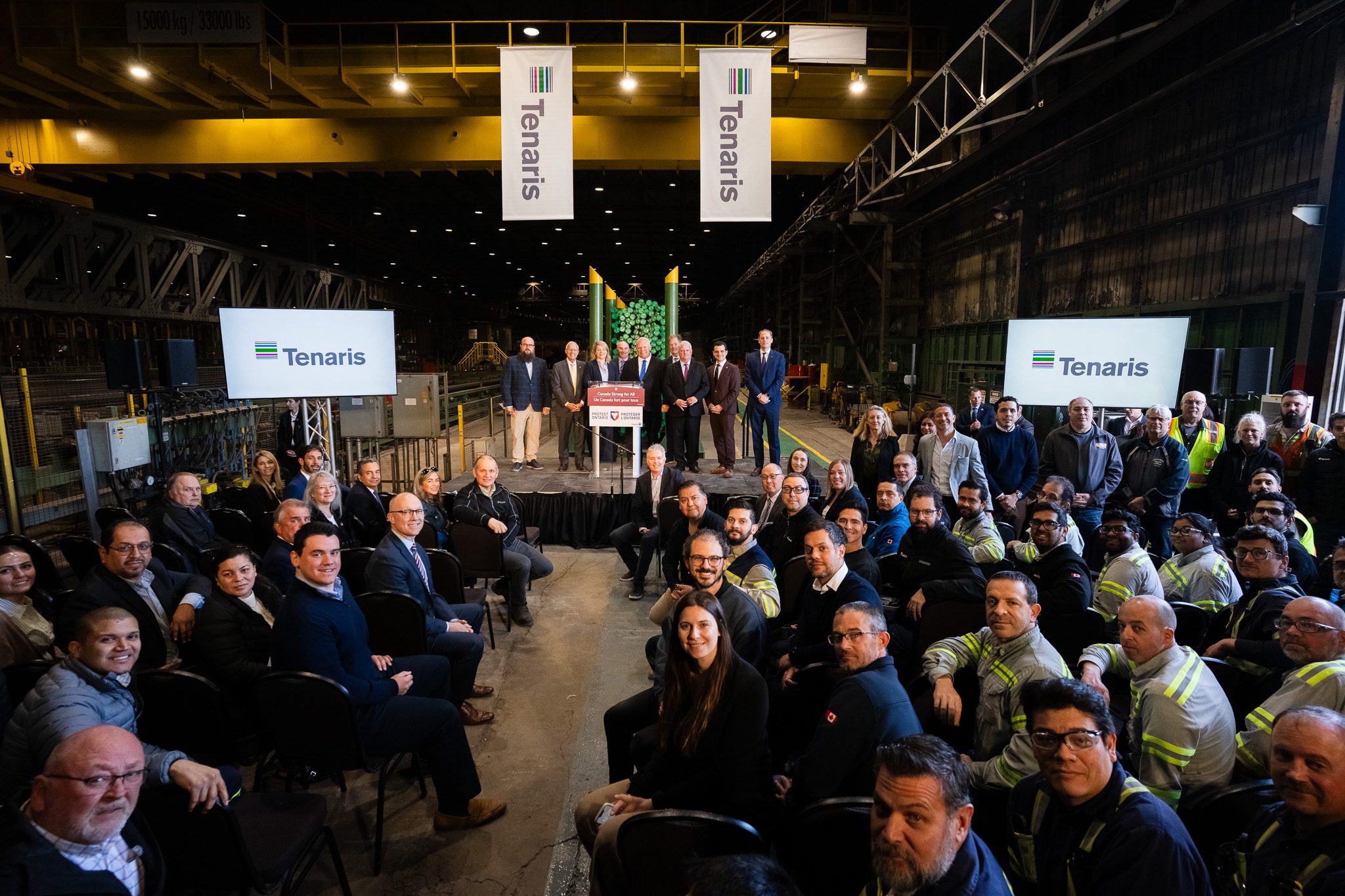
The expansion will boost production capacity, upgrade technology and create up to 200 skilled jobs, reinforcing a critical link in Canada’s energy supply chain.
For Trevisanut and hundreds of others in ‘the Soo,’ it’s more than just an expansion — it’s a signal of stability in an industry town that has seen its share of ups and downs.
A community built on steel and sustained by energy
Growing up, Trevisanut watched his father spend 35 years working next door at Algoma Steel, the city’s historic economic backbone. Like many in northern Ontario, he followed a familiar path.
“I was attached to him like Velcro. He was always in the shop and I grew up like you do in a northern town, riding around and working on dirt bikes, snowmobiles, boats and all the other equipment. Going into the trades was just a natural step for me,” he recalls.
After training as a welder and millwright, Trevisanut was part of Tenaris’ first batch of about 90 employees when it took over the pipe mill in Sault Ste. Marie from Algoma Steel in 2000.

Over the years, Trevisanut worked as a supervisor and moved into management, where he now oversees building maintenance, crane repairs and the company’s water treatment plant.
Tenaris now employs more than 850 people in the Soo, as production has doubled over the past three years. The company expects to exceed 1,000 staff in Sault Ste. Marie when the newest expansion is complete in 2029, bringing them over 1,500 employees across Canada.
Back when he was starting out, Trevisanut says work in local steel shops often rose and fell with Algoma’s fortunes. Today, Tenaris has helped change that dynamic — connecting Sault Ste. Marie to a much broader economic engine: Canada’s oil and gas sector.
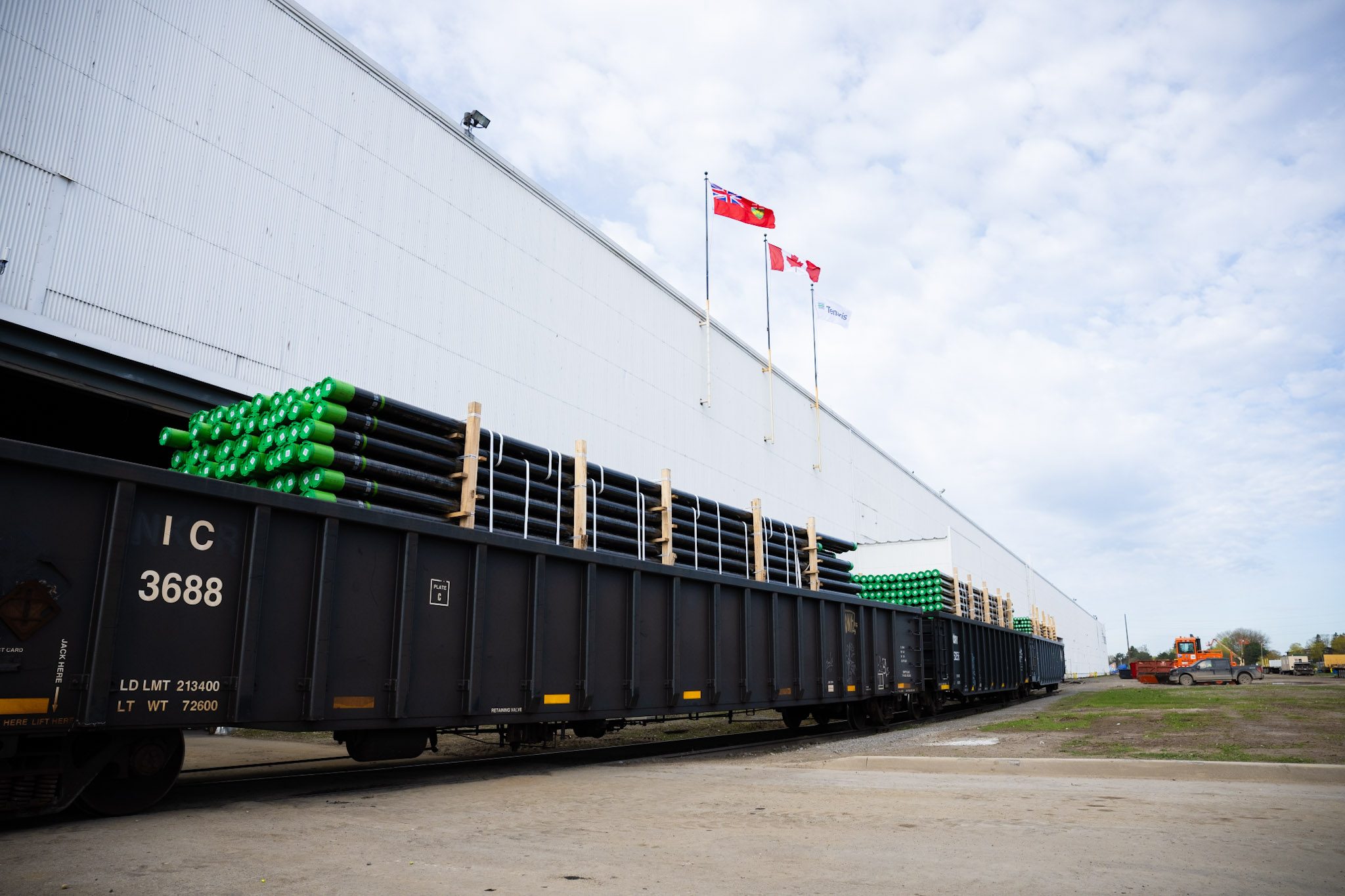
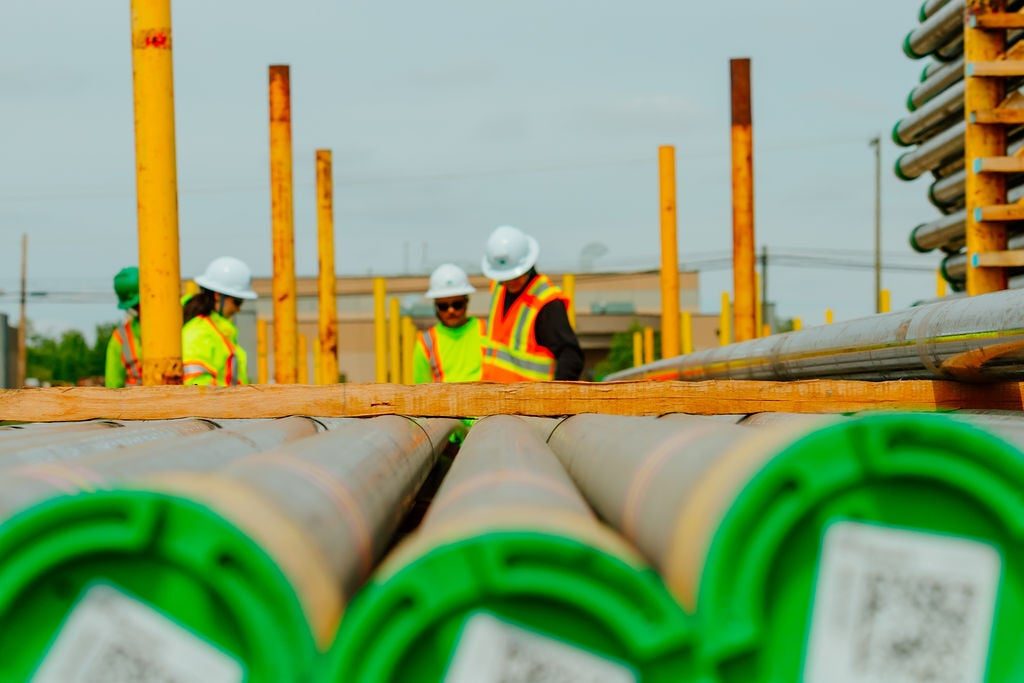
The company’s products are essential for drilling and transporting oil and natural gas from across Western Canada and in Atlantic Canada offshore projects.
“The oil and gas sector is the primary driver of demand for the products produced at Sault Ste. Marie and shipped by rail to our service centres in Alberta and British Columbia before being dispatched to customer rigs,” says Martin Castro, president of Tenaris in Canada.
“Sustained or increasing oil and gas drilling activity helps provide the world with the energy it needs to continue growing while keeping activity at our mill high.”
It’s a connection that illustrates a broader story about Canada’s economy.
As the largest goods-producing sector, oil and gas production accounts for four per cent of Canada’s GDP.
And the sector supports roughly 900,000 direct and indirect jobs across the country, including jobs in manufacturing hubs like Sault Ste. Marie.
East meets West in Canada’s energy economy
Tenaris’ expansion is rooted in growing demand from the energy sector. Production and exports are growing: in June, the LNG Canada terminal celebrated 100 successful cargoes to Asia, and the Trans Mountain expansion ran at full capacity for the first time, with shippers looking for more space on the system than is available.
“If energy is a matter of national sovereignty, then Canada requires robust domestic supply chains to support oil and gas developments,” Castro says.
“We are proud to be the only company in Canada manufacturing seamless pipes for these complex operations.”
It’s a powerful example of how Canada’s energy economy functions as an integrated national system: resources developed in the West supporting jobs in the East, and vice versa.
Alberta’s November 2025 energy agreement with the federal government builds on that opportunity by committing both governments to develop domestic steel and pipe production supply chains.
Tenaris’ announcement comes at a pivotal moment for Sault Ste. Marie, as Algoma Steel has announced plans for significant layoffs as global steel markets grapple with U.S. tariffs and ongoing trade challenges.
The head of the United Steelworkers union called the investment, which is being supported by the federal and Ontario governments, ‘a win for workers and the community’ as it will sustain good-paying industrial jobs at a time of significant uncertainty.
“Steelworkers in the Soo know what it means to build this country,” the USW’s national director Marty Warren said.
“Investments like this can help secure the next generation of steel jobs and ensure Canadian workers are making the steel Canada needs.”
The mayor of the city of approximately 75,000 people echoed that sentiment, describing the expansion as a demonstration of Tenaris’ long-term commitment to making Sault Ste. Marie a hub for advanced manufacturing in Canada.
“Sault Ste. Marie is proud to be at the centre of this milestone investment in Canada’s steel pipe and energy industries,” Mayor Matthew Shoemaker said.
Growth, jobs — and reasons to stay
For Trevisanut, the growth of Tenaris has been nothing short of remarkable, and it matters deeply in a community where economic opportunity once meant leaving.
“Back in the ‘90s there was a huge exodus of people, you had to go somewhere else because the opportunities weren’t great here,” Trevisanut recalls.
“But it’s great to see how that’s changing.”
As a proud father who is now watching his son pursue a career in law enforcement, Trevisanut is looking forward to more milestones in a new home he recently moved into on the outskirts of the Soo with his fiancé, and their upcoming wedding later this summer.
“It’s amazing to go back and look at where we are now compared to when we were just starting out,” he says. “For me, Tenaris is not just about going to work, it’s about being part of a bigger picture and being part of a community.”
The unaltered reproduction of this content is free of charge with attribution to the Canadian Energy Centre.