Social




It’s a cool spring morning in northern Alberta, as Matthew Michetti watches clouds of warm breath rise from the small herd of bison as they circle close to one another out of an instinct for protection.
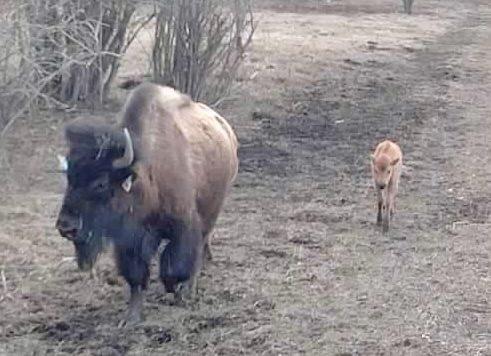
Then an even more magical moment unfolds as a female moves toward the fenceline, watching closely as the calf she gave birth to just days ago follows on wobbly legs behind its mother.
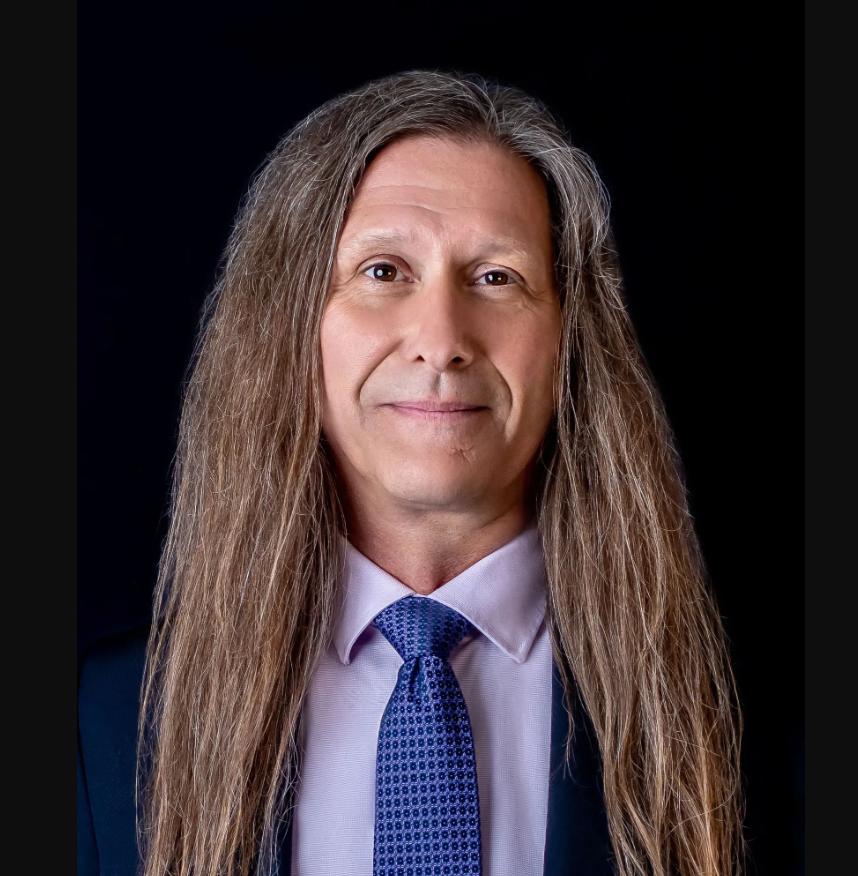
“It’s hard to put into words how powerful it is to see bison returned to this land after more than 100 years,” says Michetti, manager of government and industry relations for the Willow Lake Métis Nation, located about 400 kilometres northeast of Edmonton.
“Not only is our herd growing already, which is important for the future of our ranch, it is also an important symbol for the community as we become more self-sufficient and revive the culture that has been gone for so long.”
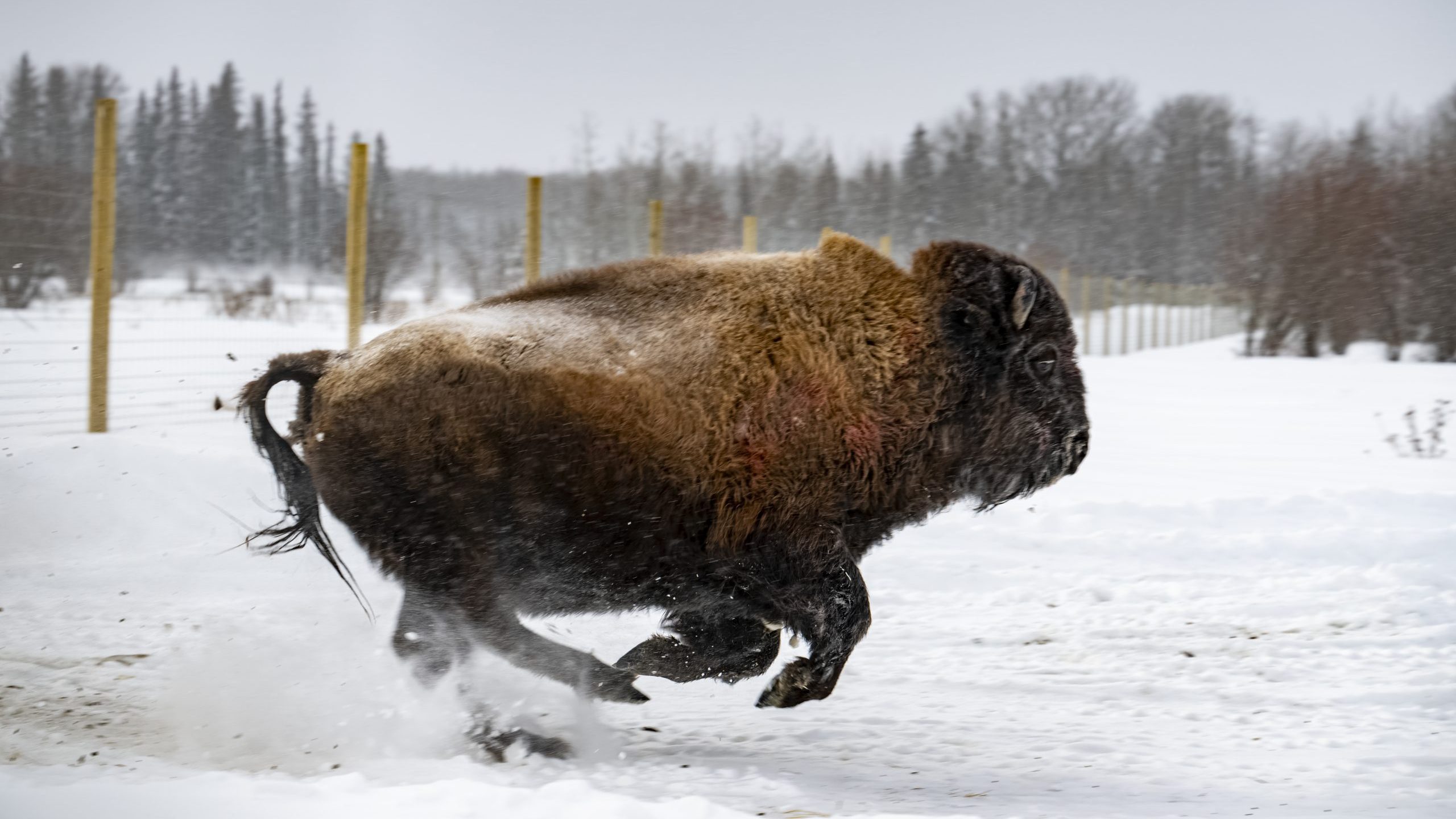
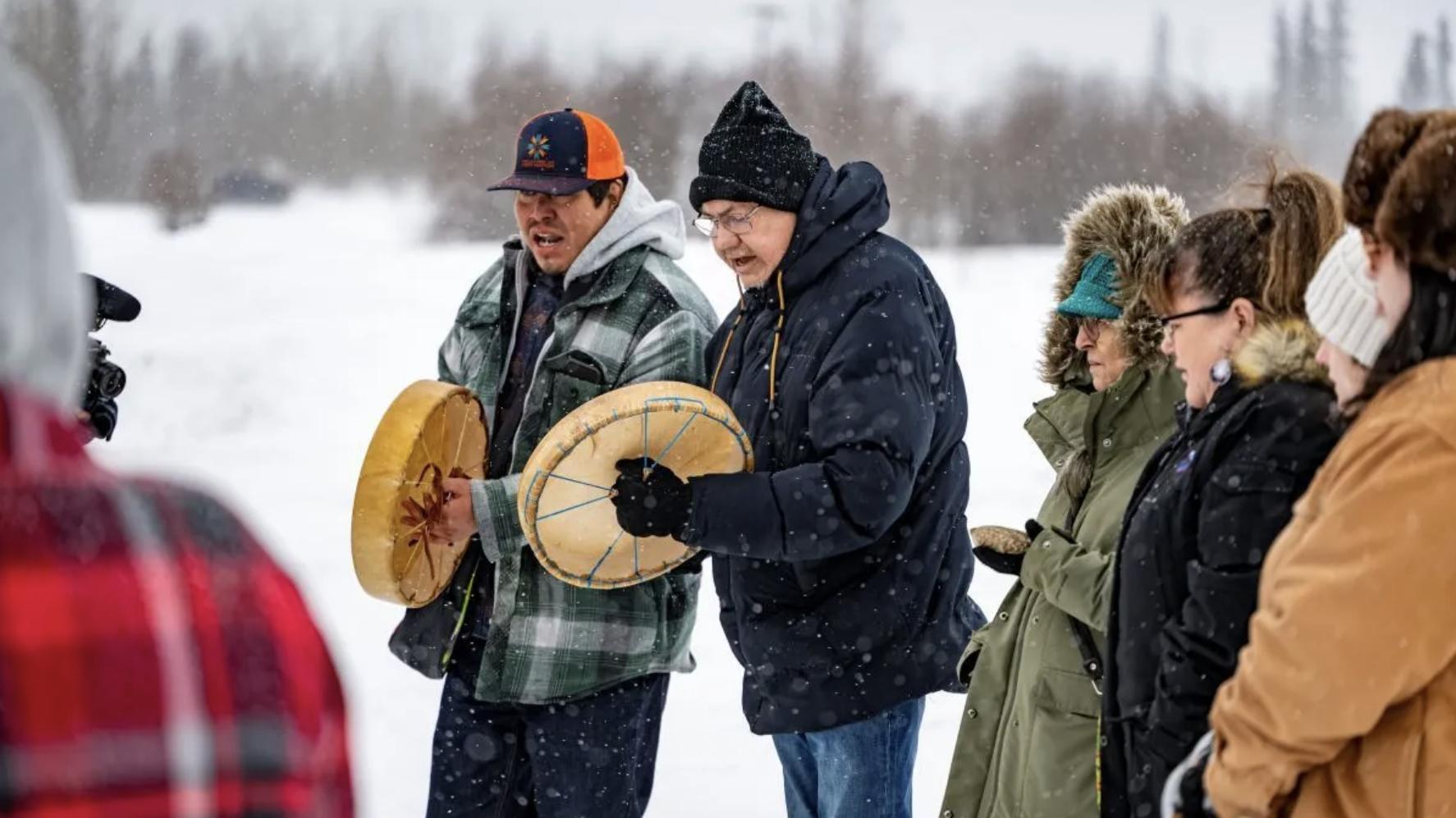
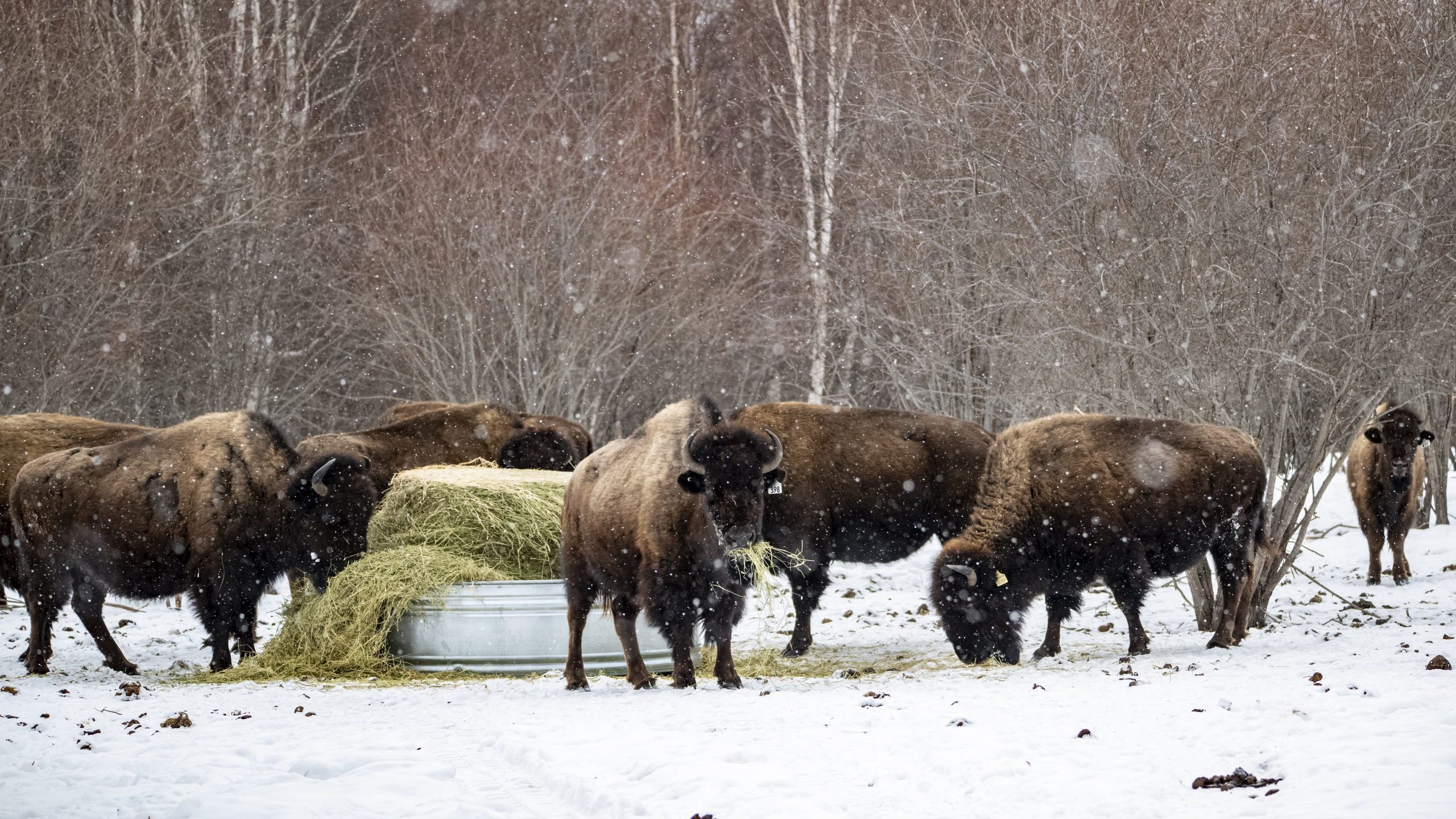
During a chilly February blizzard, 20 wood bison from Elk Island National Park were released into an enclosure on 82 hectares of land the Nation purchased in 2022 as the pillar of its long-term economic development and cultural renewal plan.
From that milestone to the birth of the first calves and harvesting of the first crop of greenhouse-grown lettuce in May, the Nation’s ambitious sustainable farming initiative is quickly taking shape.
And as Michetti makes clear, the project’s success so far has been supported by critical partnerships with Alberta’s oil and gas industry.
From vision to reality
The roots of the Willow Lake Métis Farms project trace back to a pivotal moment for the Nation when it was able to acquire the historic homestead of a founding Métis family near Anzac, about 50 kilometres south of Fort McMurray.
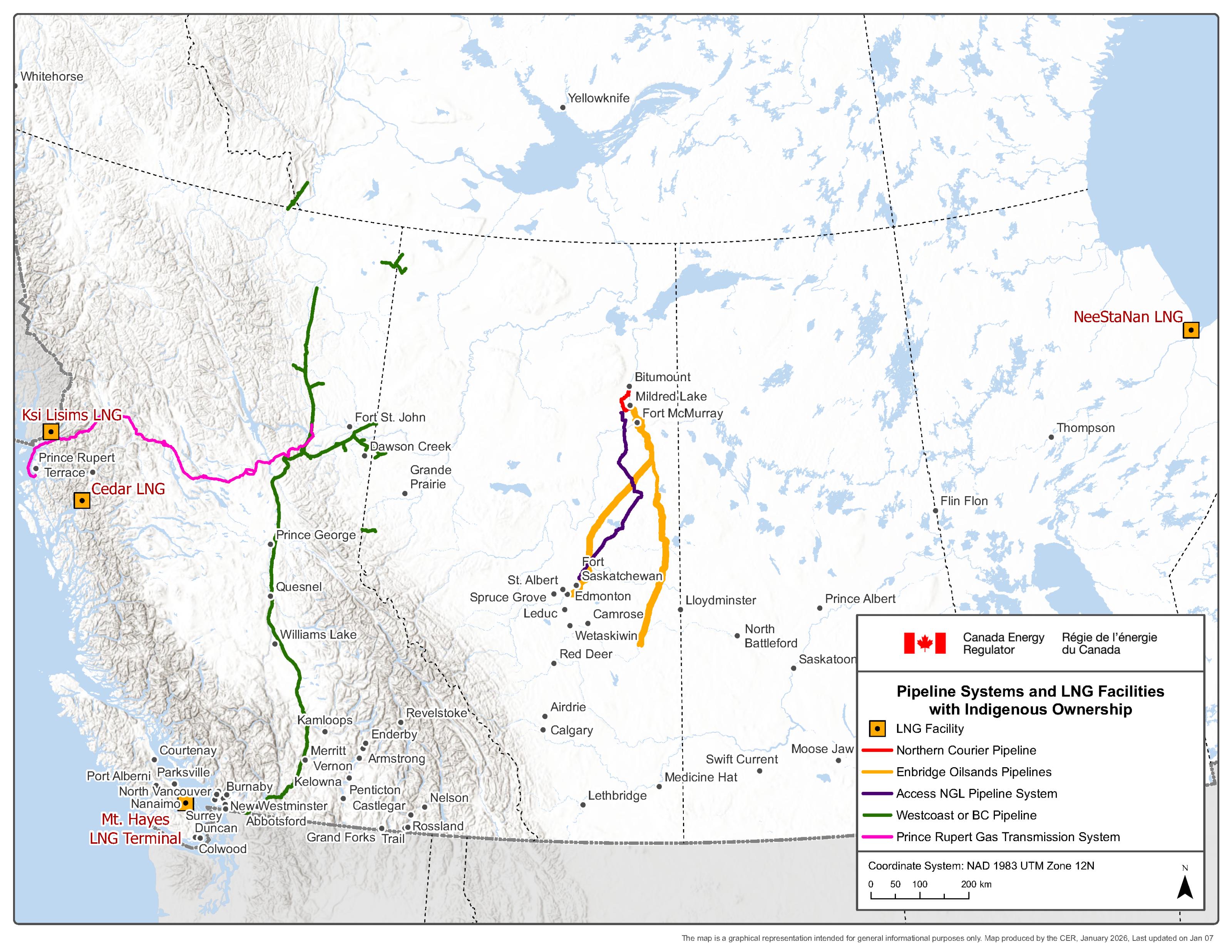
That acquisition was made possible through the Nation’s equity ownership in energy infrastructure projects including a share of Suncor Energy’s Northern Courier pipeline and a portion of seven Enbridge pipelines in the Athabasca region. The joint ventures are supported by the Alberta Indigenous Opportunities Corporation.
“Without those relationships, none of this could happen,” Michetti said.

It’s an approach that is gaining momentum across Canada.
According to the Canada Energy Regulator, Indigenous communities now hold ownership interests in more than 5,000 kilometers of oil and gas pipelines, primarily in Alberta and B.C.
For Willow Lake Métis Nation, revenue generated through energy partnerships has become a cornerstone for long-term growth and development.
The land purchase set the stage for what has become a multi-phase project: a working bison ranch, a hydroponic “grow pod” producing fresh vegetables, and plans for expanded agriculture, traditional medicine cultivation and eventually an eco-tourism operation.
More than funding: building capacity
While financial backing was critical, Michetti emphasizes that the benefits of working alongside energy companies extend well beyond dollars.
“These neighbours aren’t just financial partners,” he said.
“They talk to us about how projects are developed. We’ve learned everything from engineering and design to permitting and execution. Our projects today are fully engineered, fully permitted—we’ve learned that approach from being around these developers.”
That transfer of knowledge has helped the Nation build internal capacity and confidence, transforming what began as an idea into a professionally managed, scalable operation.
“We’ve had to learn how to be bison ranchers, and now we also understand project development. We understand patience,” Michetti adds. “We’ve learned that from our neighbours in the energy industry.”
From leaseholders to neighbours
Today, many of those same companies are continuing their involvement. Not just as investors, but as active supporters and future customers of the farm.
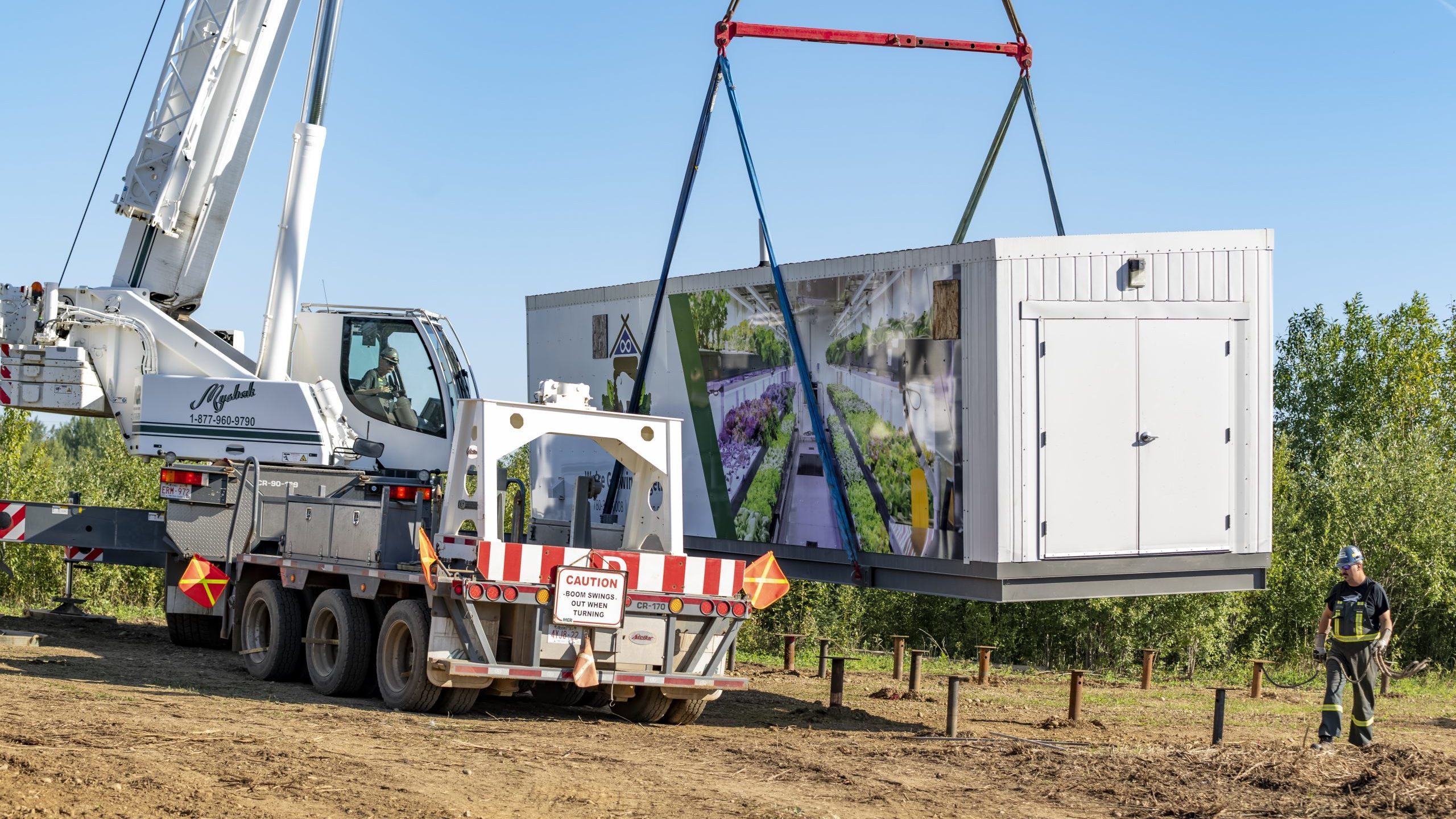
As the Nation developed the project, it reached out to nearby energy operators for assistance. The response was strong, with more than $100,000 in cash and in-kind contributions provided.
But for Michetti, one example stands out.
“One of our closest neighbours, CNOOC (China National Offshore Oil Corp.), stepped up as our first sponsor,” he said.
“They also told us they want to be our first customer once we begin commercial sales. That’s the difference between being a leaseholder and being a neighbour.”
Those future sales, supplying fresh produce to nearby industrial camps and communities, will help sustain the project financially, while reinforcing local supply chains in northern Alberta.
A sustainable, community-driven model
The bison ranch itself is intentionally modest in scale, designed to balance sustainability with cultural significance. The herd is expected to grow to about 30 to 35 animals, producing a limited annual harvest primarily for community use.
“This will never be a large commercial operation,” Michetti says. “It’s about food security for our people and the Nations around us, and about reconnecting with something that has deep meaning.”
Alongside the bison, the farm’s greenhouse is expected to produce roughly 10,000 pounds of fresh greens annually, with additional acreage dedicated to vegetables and traditional Indigenous plants.
The project is creating local employment and training opportunities, with roles ranging from ranching and farming to operations and education partnerships with nearby schools.
“It’s about creating a different kind of economy here,” Michetti explained. “One that’s local, sustainable and rooted in our community.”
A model for reconciliation and development
For the Willow Lake Métis Nation, the project represents more than economic diversification. It’s part of a broader vision of self-determination.
Over the past several years, the Nation has strengthened its governance, expanded its economic base and built partnerships that align with its long-term goals. The farm and ranch are tangible expressions of that progress.
Michetti believes the collaboration with the energy sector offers an important lesson.
“The industry gets painted with a lot of negative brushes,” he said. “But this is an example where they’re helping lead—where partnerships are built on respect, and where success comes from working together.”
Back at the farm, that collaboration is already bearing fruit, both literally and figuratively.
“It’s been a life-changing experience to be part of this,” Michetti said. “There are a lot of good things still to come. In a few years, this is going to be a very special place.”
The unaltered reproduction of this content is free of charge with attribution to the Canadian Energy Centre.