Social




Indigenous communities across British Columbia are playing a critical role in building the foundation for LNG—from natural gas supply to pipeline corridors and export terminals—helping drive momentum as Canada’s LNG export sector takes its first steps.
A growing role for McLeod Lake Indian Band
One of these communities is the McLeod Lake Indian Band. Part of the Tse’khene group of Aboriginal peoples, McLeod Lake is located about 150 kilometres north of Prince George in the Montney natural gas region.
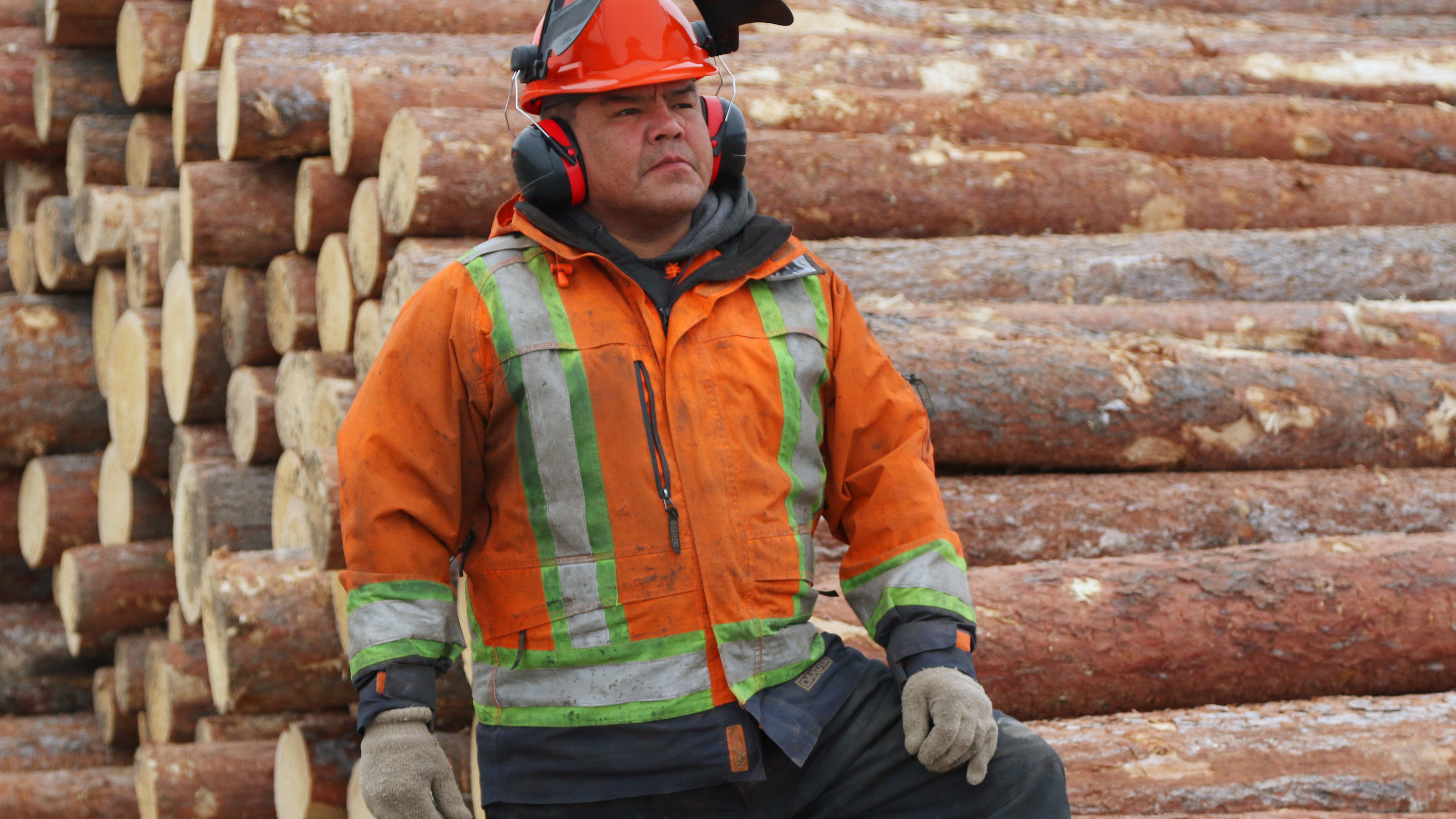
“McLeod Lake Indian Band wants to create a business environment within its traditional territory that is conducive to the responsible development of the area’s natural resources,” said Jacob Albertson, CEO of the Duz Cho Group of Companies, which is 100 per cent owned by the band.

Jacob Albertson, CEO of Duz Cho Group of Companies.
Since 2018, the bustling business has seen revenues surge nearly tenfold, from $14.5 million to $134 million annually.
‘Canadian gas is Indigenous gas’
Albertson recently joined the board of the First Nations Natural Gas Alliance (formerly the First Nations LNG Alliance), which has member organizations from B.C., Alberta and Newfoundland and Labrador.
“Canadian natural gas is Indigenous natural gas,” said Alliance CEO Karen Ogen, who served as elected Chief of the Wet’suwet’en First Nation from 2010 to 2016.
Ogen’s goal is to inspire and support more First Nations engaging in discussions with industry and government about potential resource opportunities.
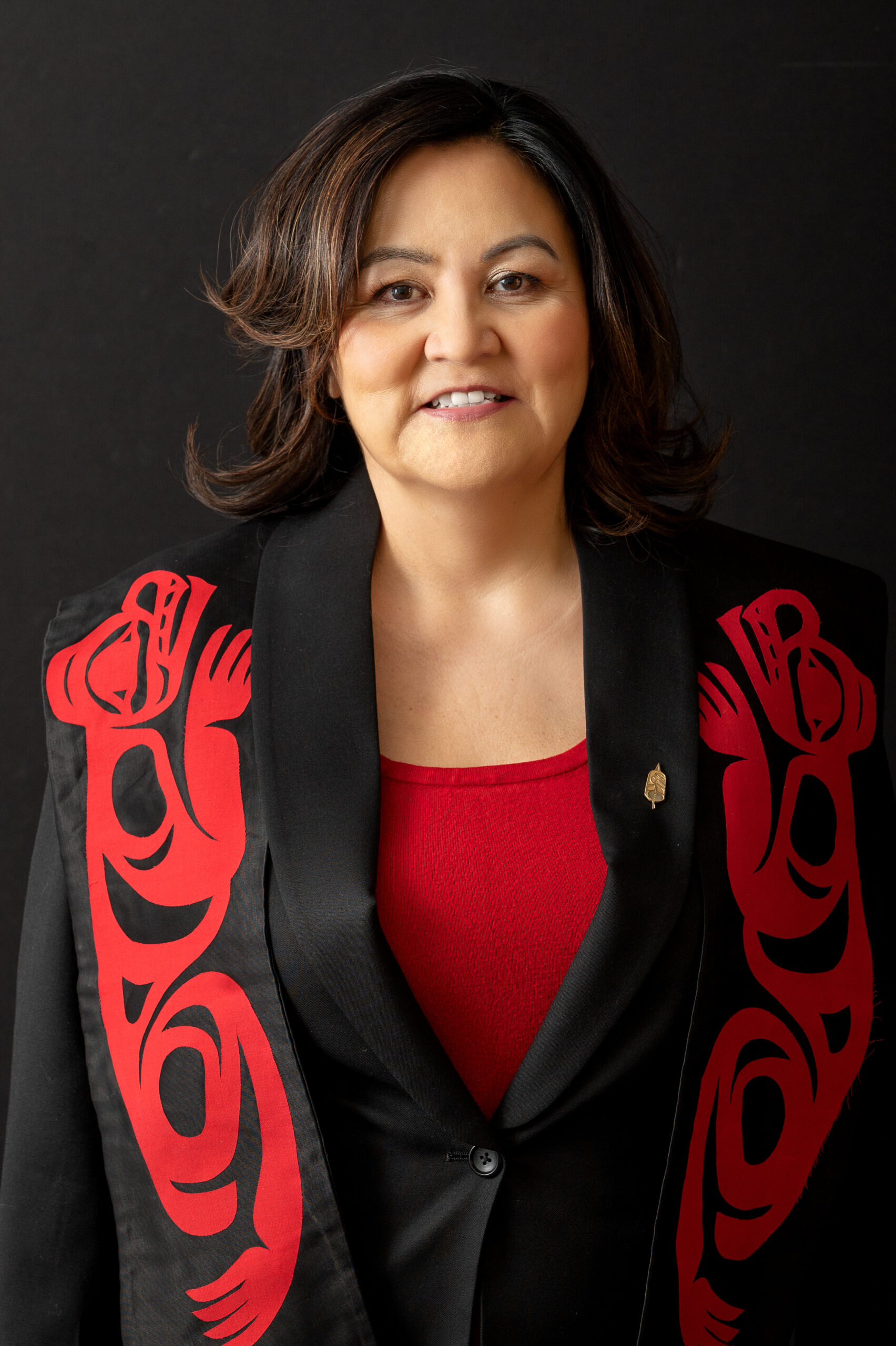
Karen Ogen, CEO of the First Nations Natural Gas Alliance.
“We can show the world that Canada’s natural gas can be developed responsibly and advance economic reconciliation for the benefit of our citizens and those around the world who need an alternative to coal,” she said.
The Alliance’s work helped advance the Coastal GasLink pipeline, which is now delivering natural gas from northeast B.C. to the LNG Canada terminal at Kitimat, in the traditional territory of the Haisla Nation.
“Attitudes have changed as knowledge has improved,” Albertson said.
“That’s why I’m excited about the future and how the people of this region can benefit from it.”
A bigger voice for First Nations in B.C.’s interior
McLeod Lake was one of 20 Indigenous bands along the route whose elected leadership signed agreements with the pipeline project.
Albertson sees joining the Alliance’s board as a chance to amplify the voice of B.C.’s interior Nations like McLeod Lake, whose traditional territories host much of the natural gas that feeds coastal LNG exports.
It’s important for community members to understand both the impacts and benefits of development, he said.
Business transparency helps builds support
To keep members better informed about local projects, Albertson began sharing Duz Cho’s monthly reports with the band’s 550 members, along with quarterly meetings in Prince George, Vancouver and Calgary.
“That transparency is very important,” Albertson said.
“We’ve really focused on reporting about the benefits of these projects as well as the impacts. It’s helped the membership realize these projects are good for the community.”
Duz Cho now seeks job creation opportunities and equity partnerships rather than simply collecting royalties from industry.
“We restructured some of the agreements so members would have those opportunities,” says Albertson.
“There is a real value to hiring community members, who have firsthand knowledge of the projects they work on and can share that within the community.”
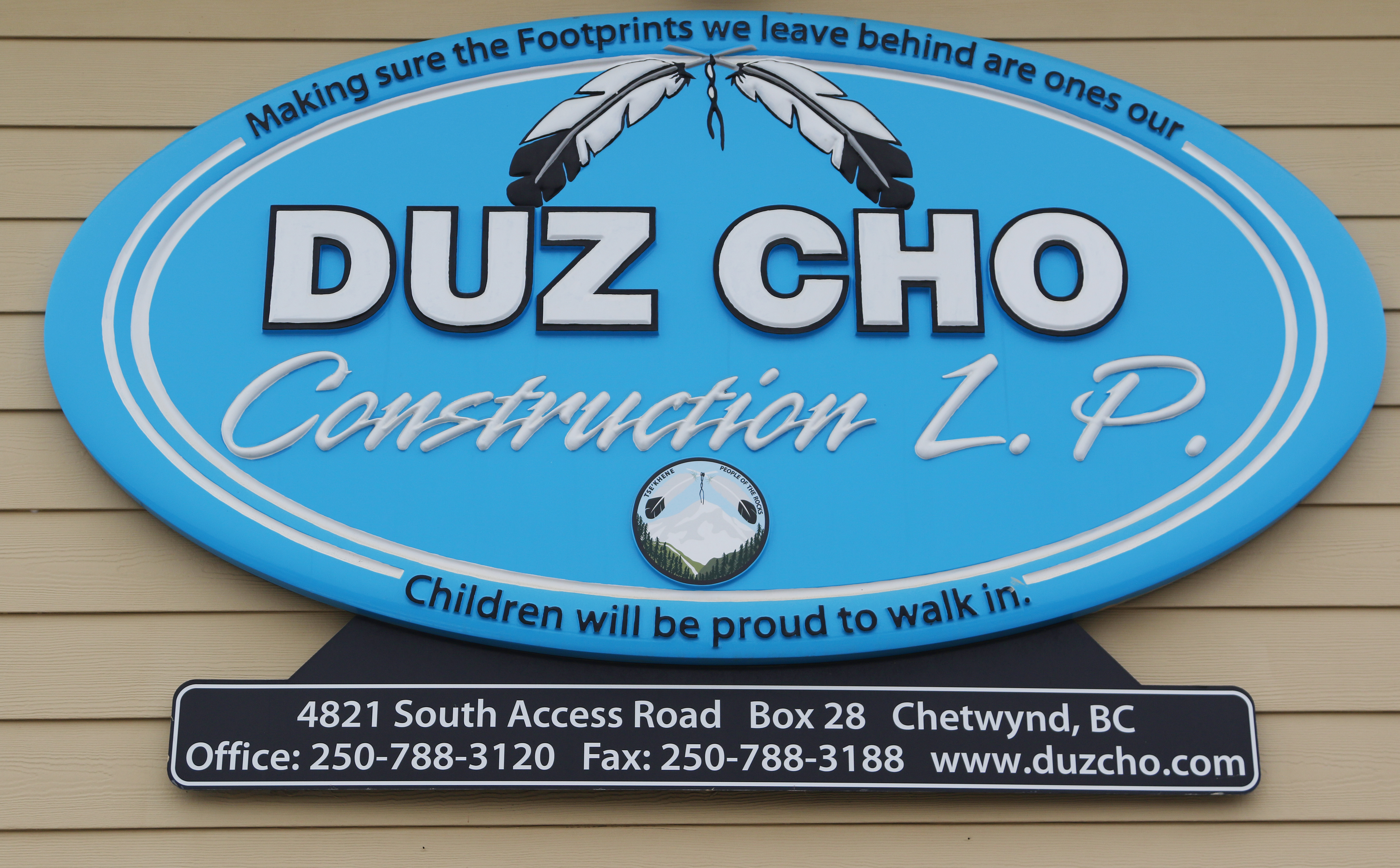
Duz Cho sign in Chetwynd, B.C. Photograph for Canadian Energy Centre
Education key to energy expansion in B.C.
Improving understanding of resource projects is critical as Canada looks to expand its energy exports through B.C., Ogen said.
“Those types of education and awareness need to happen, not only for LNG, but for oil,” she said.
“I think that the process that we did helped us inform a lot of people.”
The unaltered reproduction of this content is free of charge with attribution to the Canadian Energy Centre.