Social




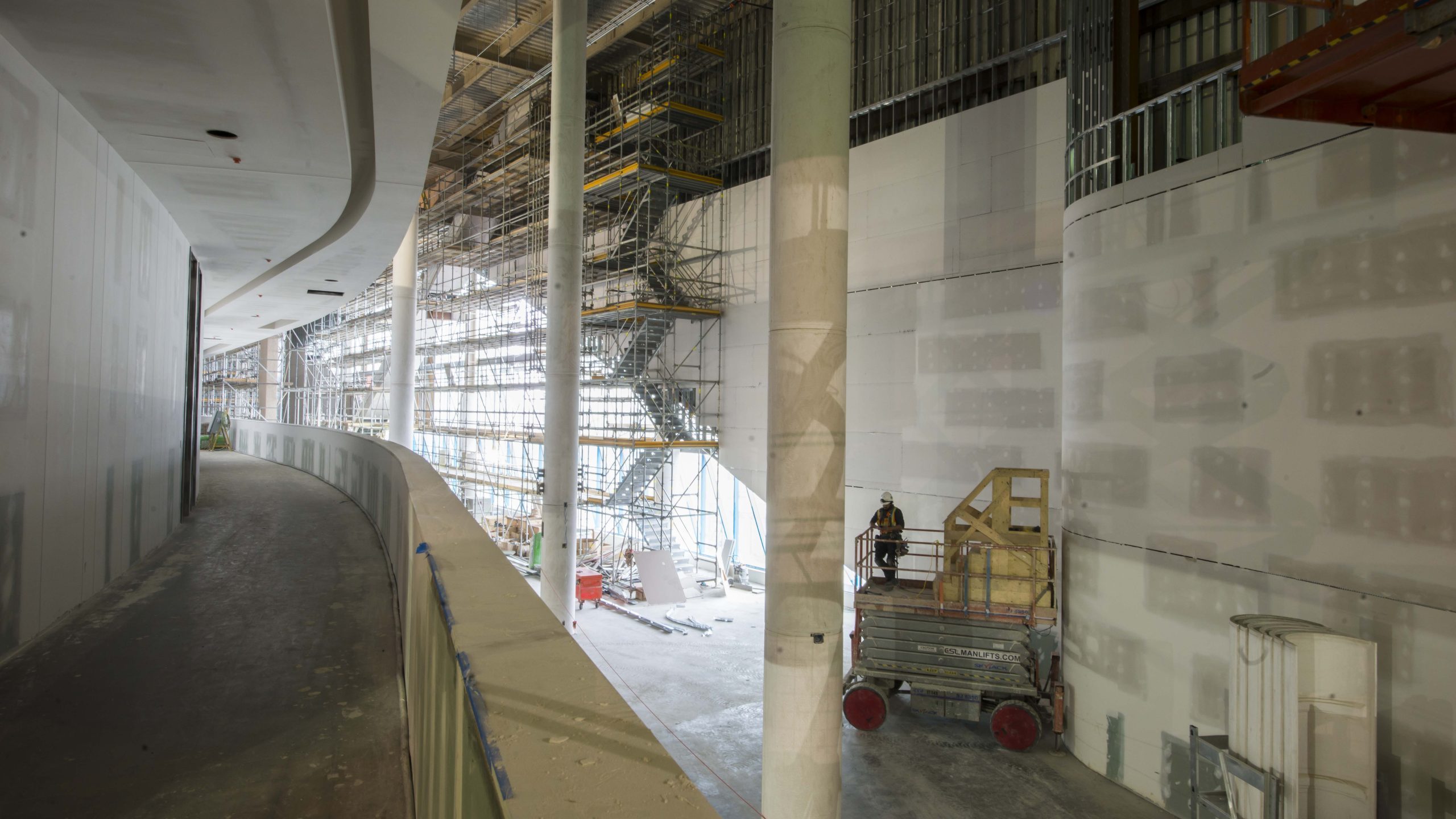
If you’ve ever been to an event at Rogers Place in Edmonton, you probably noticed the massive exposed concrete walls and columns that give the arena its unmistakable sense of strength.
That strength is real — because like many buildings, bridges, roads, industrial projects and even sidewalks in Western Canada, Rogers Place is built from limestone quarried in the foothills of the Rocky Mountains.
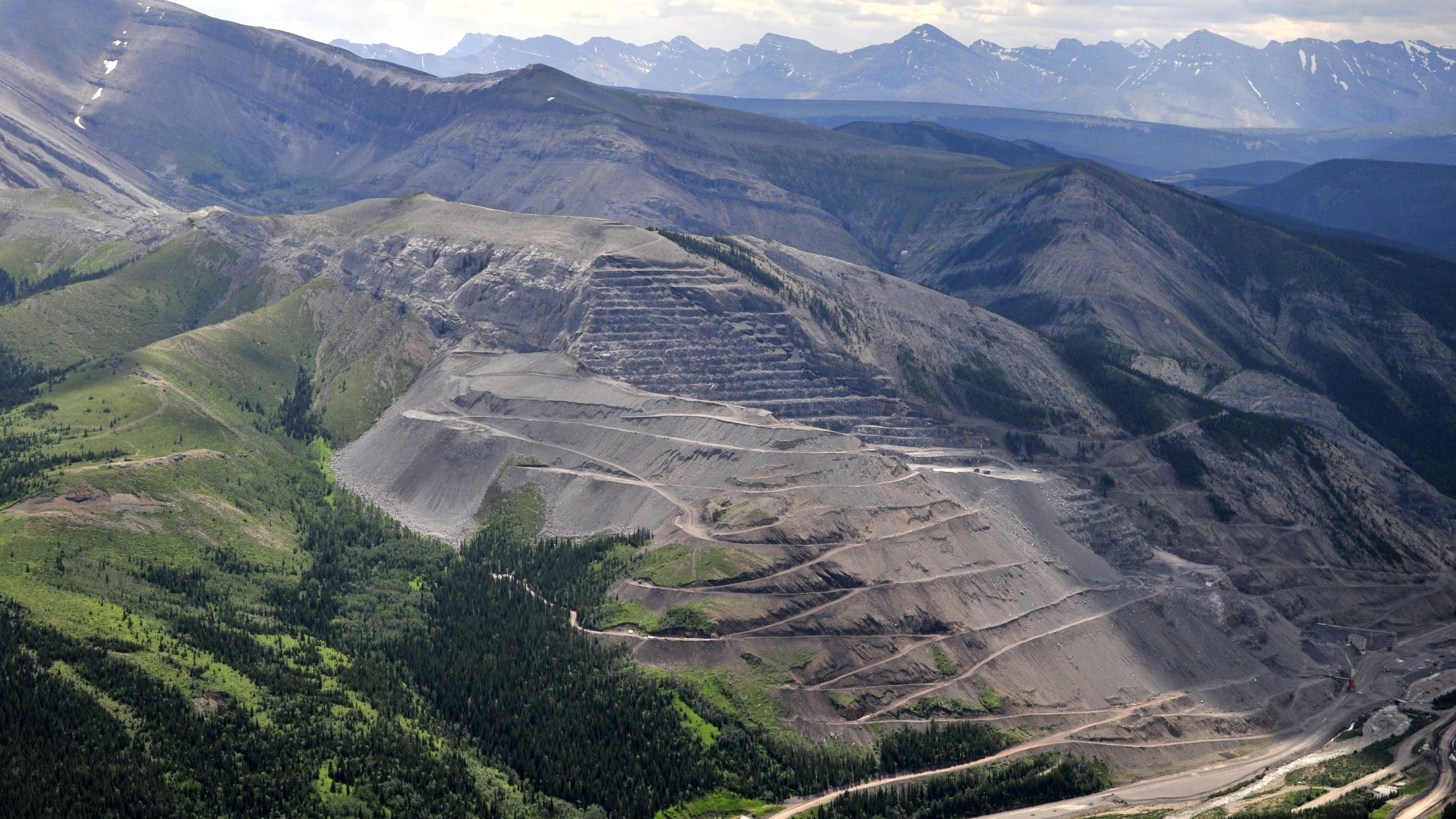
Located about 350 kilometers west of Edmonton, the hamlet of Cadomin, Alta. has just 54 permanent residents, many of whom have mining in their blood.
At the community’s edge is Heidelberg Materials Canada’s Cadomin Limestone Quarry.
Connected by rail to the company’s Edmonton cement plant, each year the quarry delivers enough limestone to build 100 25-storey buildings or pave a 1,600-kilometre highway.
“Our daily life in the western provinces – Alberta, Saskatchewan, Manitoba and northeast British Columbia – is built by concrete that is made from limestone supplied by the quarry,” said Joerg Nixdorf, Heidelberg Materials’ vice-president of cement operations.
Heidelberg Materials is changing the way it mines limestone at the quarry, resulting in a reduced environmental footprint and continued safe access to decades of limestone reserves.
From the quarry to your door
Second only to water, concrete is the most widely used building material on Earth. Versions of it have shaped construction for thousands of years.
A familiar material all around us, concrete is made by mixing water with materials like sand and gravel and adding cement.
Cement, the “glue” that holds the concrete together, is a fine powder made from limestone – like that from the Heidelberg Materials Cadomin Quarry – along with other materials that contain silica, alumina and iron.
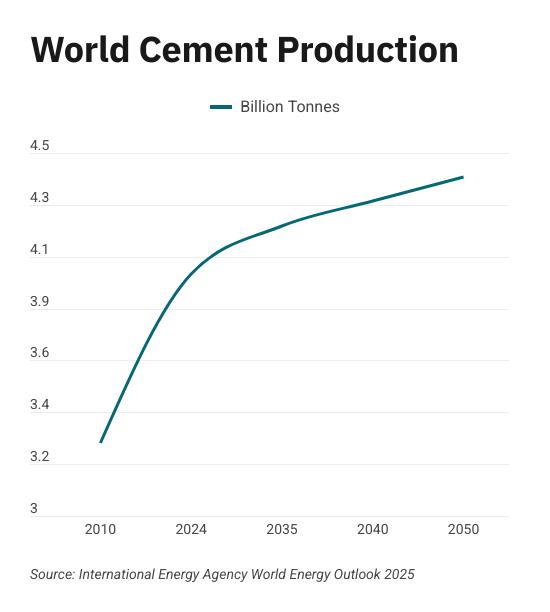
Worldwide cement demand continues to rise. The International Energy Agency projects global cement demand will rise to 4.36 billion tonnes by 2050, about 10 per cent above 2024 levels.
“It’s exciting to be a part of an industry that provides a material that literally builds everything,” said David Perkins, Heidelberg Materials’ senior vice-president of sustainability and public affairs.
“You can create almost any kind of shape that you want, and then once you place that shape, it’s extremely resilient. It’s 100 per cent recyclable, it’s fire resistant and it’s extremely long-lasting.”
Decades of operations
Originally known for coal mining, limestone mining is now Cadomin’s main industry.
Inland Cement Company (a predecessor to Heidelberg Materials) began quarrying limestone at this site in 1954.
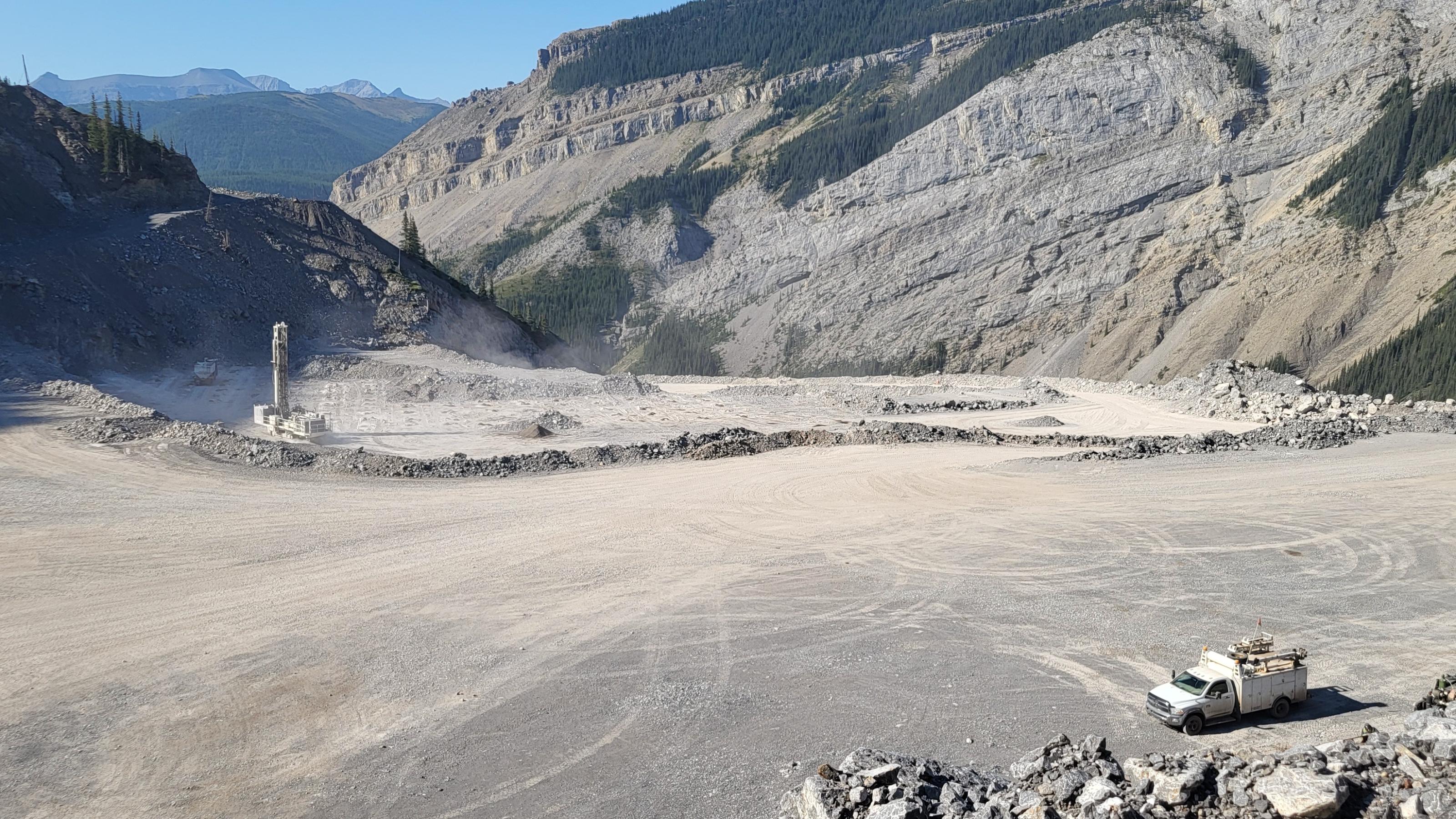
For decades, this has been done by blasting, slowly moving equipment down the surface of the quarry.
The quarried limestone is conveyed through an inclined chute underground, where it is crushed and stored before being transferred to rail cars to be shipped to the Edmonton cement plant.
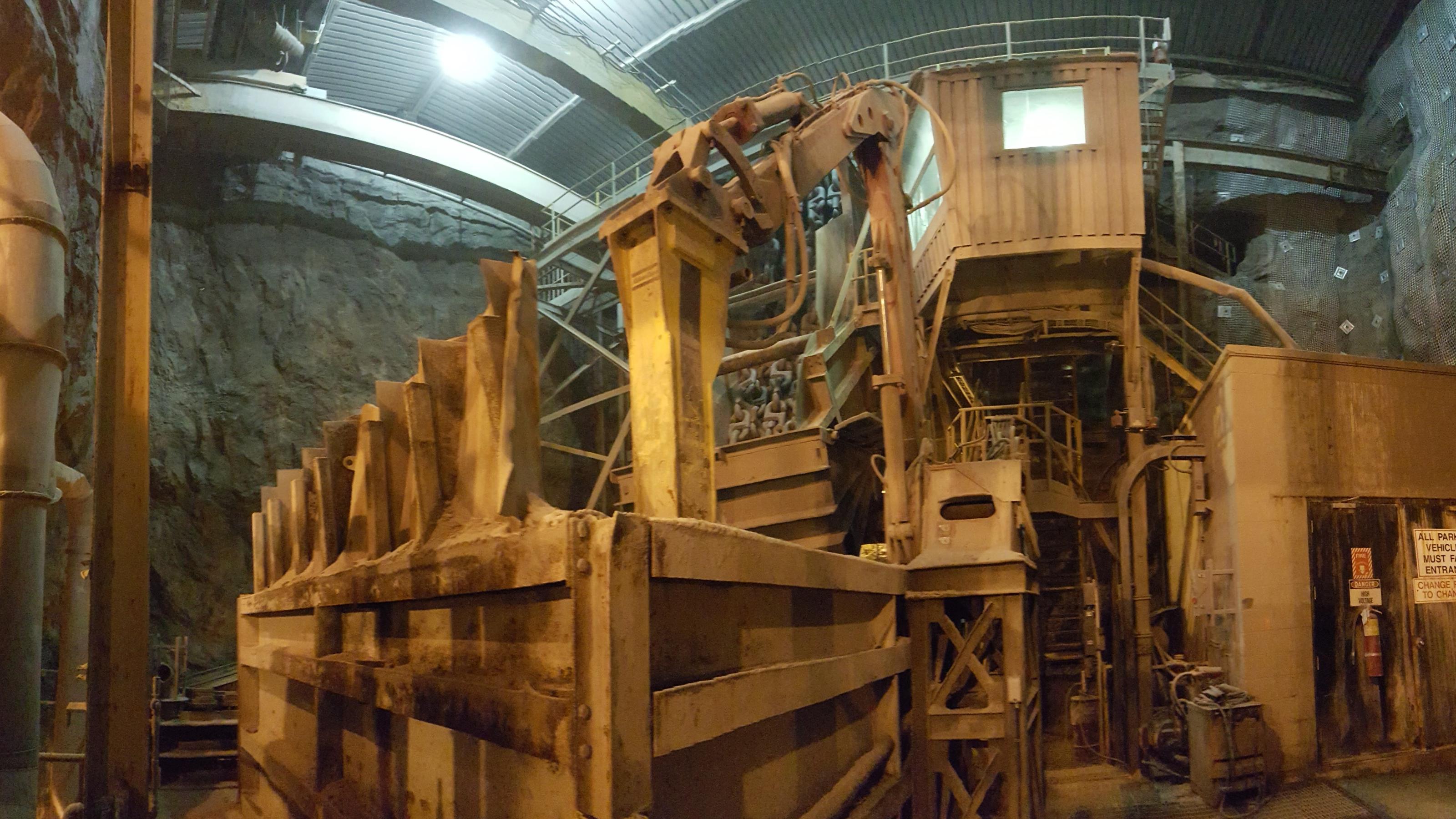
The quarry reached a point where operators faced a choice: relocate all the equipment and continue working on the surface — an expensive and highly impactful undertaking — or move the entire operation underground.
Moving underground
They chose the latter, and the limestone quarry is now in the process of being converted from a surface mine to the first fully underground limestone mine in Alberta.
“The transition will help lower our environmental footprint by minimizing surface impacts, reducing the potential for dust and noise, and eliminating the need for large amounts of caprock removal, all while ensuring continued access to high-quality limestone,” said Brent Korobanik, permitting and community liaison for Heidelberg Materials in Edmonton.
“From an economic perspective, it helps us out, but the big reason is sustainability.”
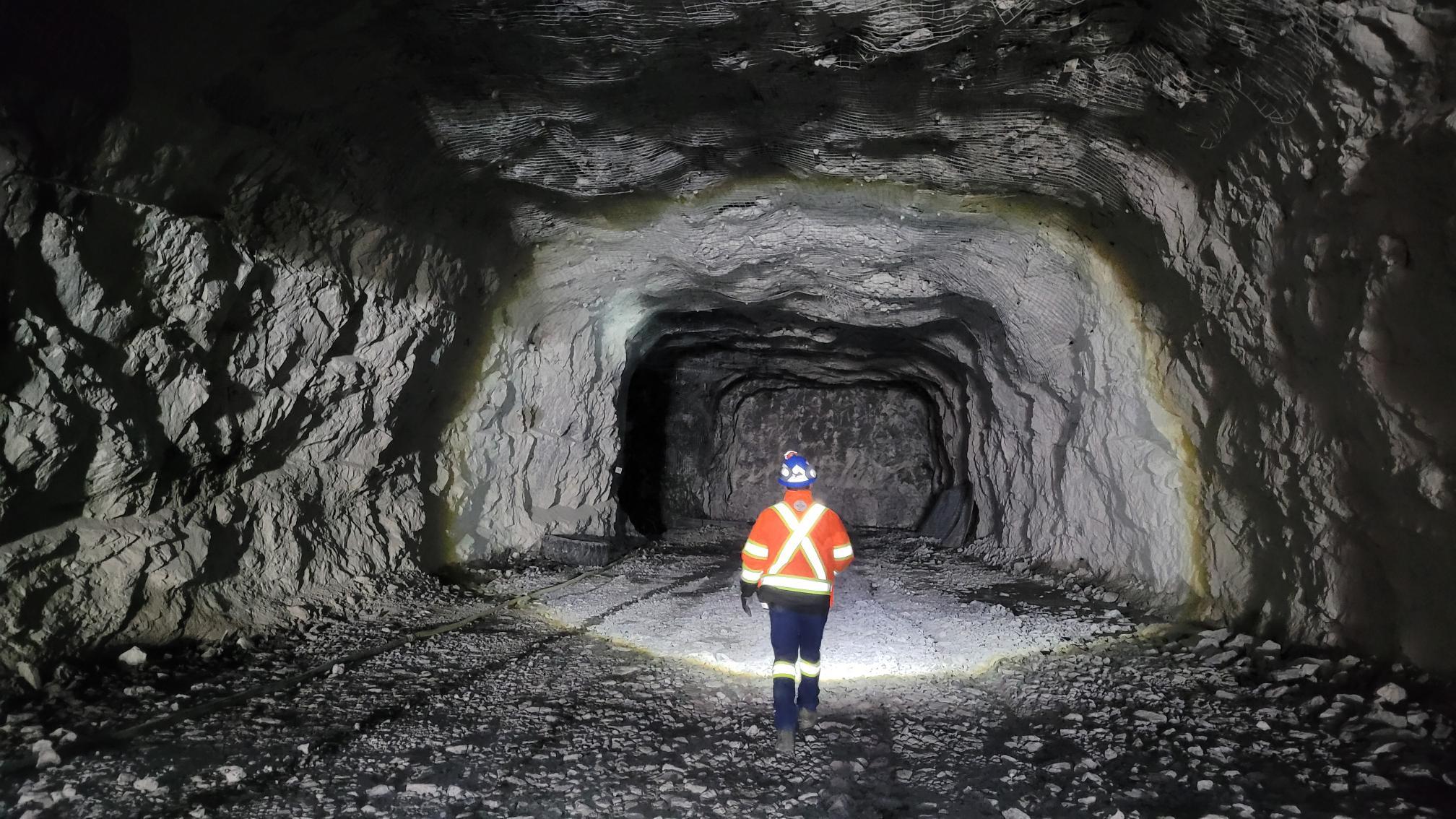
High-tech underground fleet
Moving underground allows Heidelberg Materials to retain existing infrastructure such as crushing equipment. It will also require a new mining fleet, supplied in part by Stockholm, Sweden–based Sandvik Group.
Sandvik says the fleet uses next-generation automation, and the project “could redefine expectations for how underground mining is executed in Canada.”
Heidelberg Materials expects the underground mine to be fully operational by spring 2027, when surface mining will be discontinued.
Sustainable Cement
As Heidelberg Materials works to reduce its footprint at Cadomin, its Edmonton cement plant is advancing new sustainability strategies.
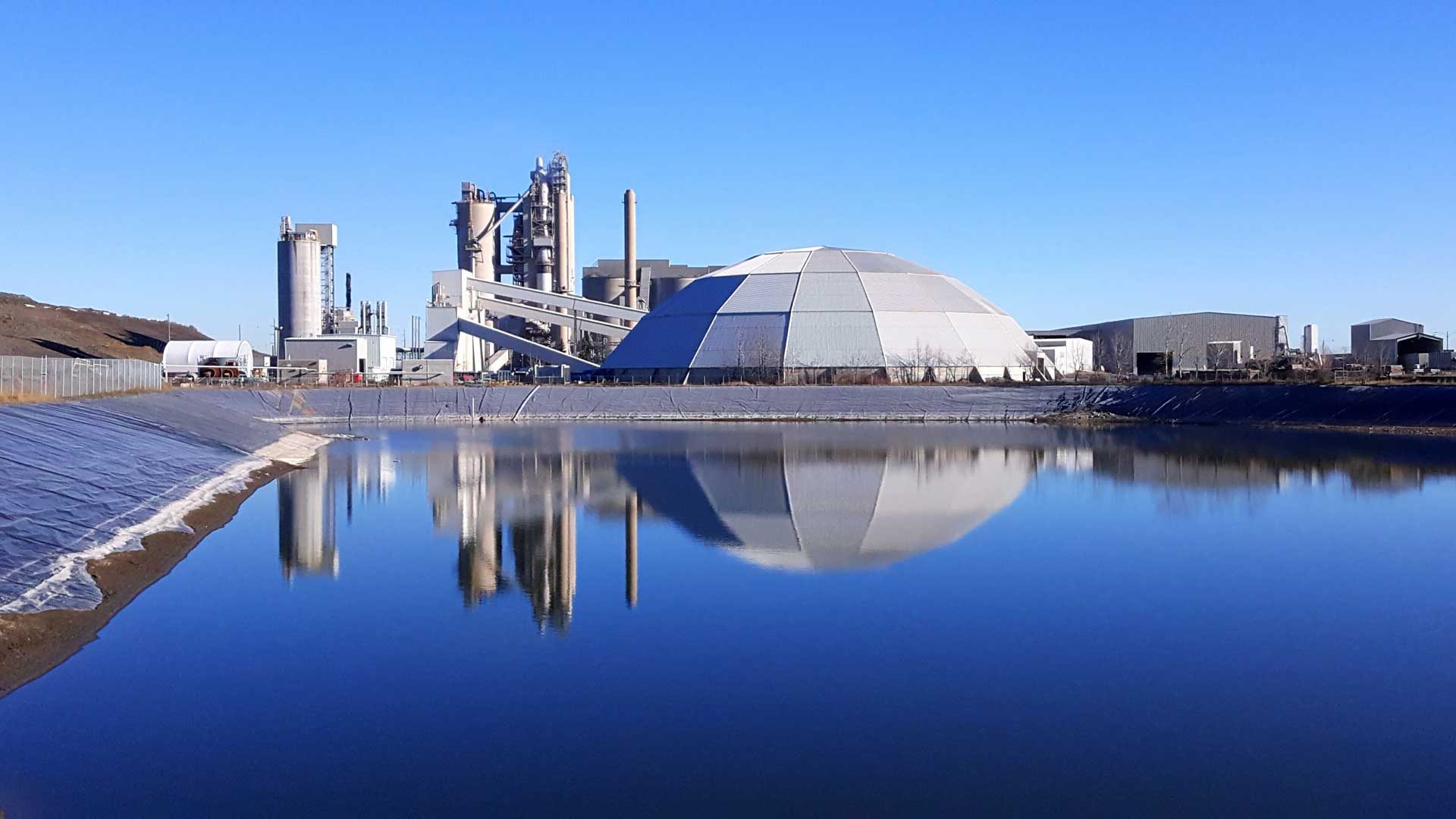
In 2025, the plant hit a major milestone, with 50 per cent of its fuel now coming from low-carbon alternative sources including processed municipal waste, demolition wood chips and tire fibre.
The project received provincial support, including a $2.4 million investment from Emissions Reduction Alberta.
The Edmonton cement plant also repurposes byproduct streams from other industries to replace traditional clay, ash, sand and iron in cement production.
This diverts waste from landfills and helps preserve Alberta’s natural resources.
The unaltered reproduction of this content is free of charge with attribution to the Canadian Energy Centre.