Social




On frigid winter nights in northern Alberta, the glow from the outdoor hockey rink warms Tyler Letendre’s heart.
This year more than ever, the lights are bright, the ice is smooth, and the boards are solid — built to last, not patched together year after year like they used to be.
For Letendre, the operations manager and economic development officer for Peerless Trout First Nation (PTFN), the rink is more than a place for friends and families to get together to skate. It’s proof that something fundamental has changed in his community.
“Two years ago, this wouldn’t have been possible,” Letendre says. “Now, it’s something our kids can rely on.”
The transformation didn’t come from a one-time grant or a short-term program.
It came from equity ownership in energy infrastructure — a model that is quietly reshaping how Indigenous communities build wealth, plan for the future, and assert economic self-determination.
Why ownership matters in remote communities
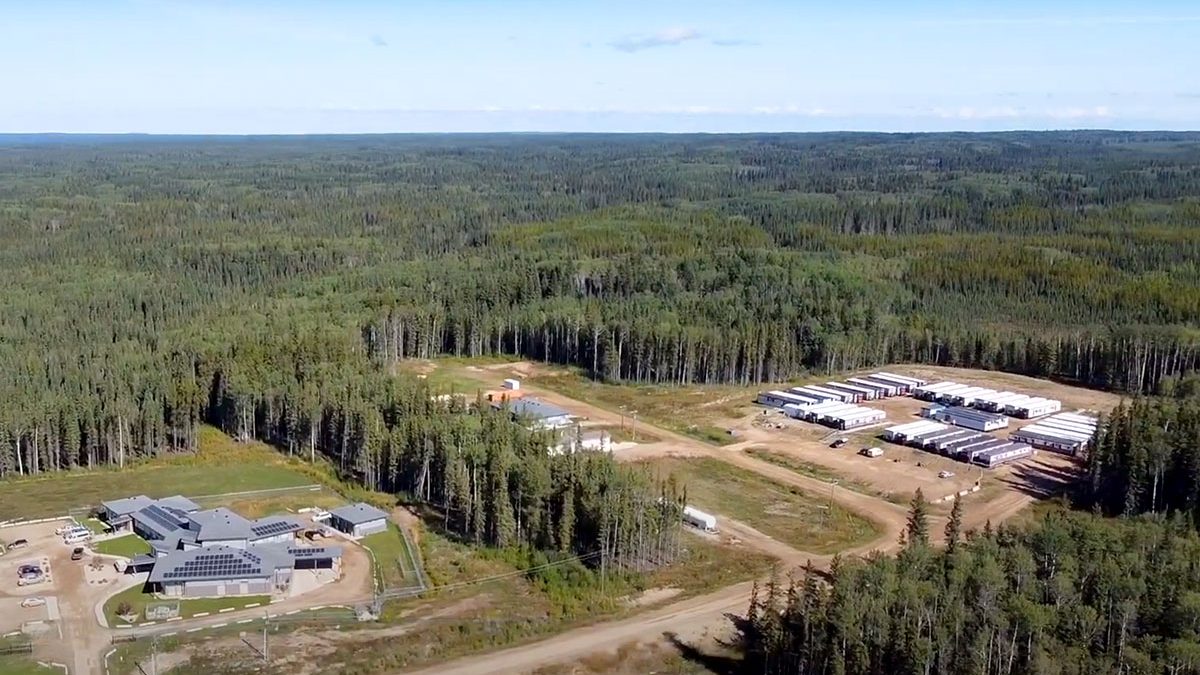
Photo courtesy Peerless Trout First Nation
Peerless Trout First Nation is a rural, semi-isolated community in northern Alberta. Its two main settlements sit 29 kilometres apart, meaning the Nation must often build and maintain two of everything, from roads to recreation facilities.
“In communities like ours, location matters,” Letendre explains.
“If you’re near a major city, like Tsuu T’ina or Enoch, business development is easier. If you’re not, it’s very hard to generate own-source revenue.”
For PTFN, oil and gas development in the region created opportunity.
In 2023, the Nation and 11 other communities acquired an 85 per cent stake in $172 million in oil and gas pipeline assets operated by Tamarack Valley Energy in the Clearwater play. The deal was supported by the Alberta Indigenous Opportunities Corporation.
Since closing, the 12 First Nations and Métis communities have secured stable revenue streams that have proven more valuable than traditional impact benefit agreements (IBAs), long central to Indigenous engagement in the energy sector.
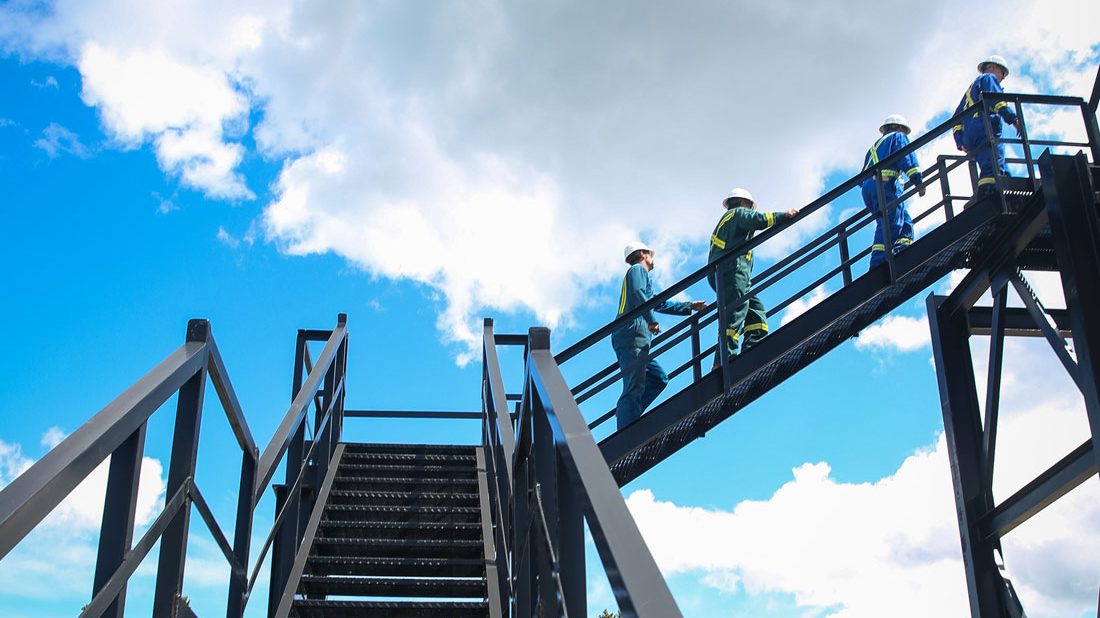
Photo courtesy Tamarack Valley Energy
“IBAs fluctuate with oil and gas prices,” Letendre says. “You can’t borrow against them. Banks won’t look at you.”
Equity ownership, by contrast, creates a tangible asset.
“With equity, you have ownership and predictable returns,” he says. “Banks recognize that.”
A ‘significant shift’ in energy development
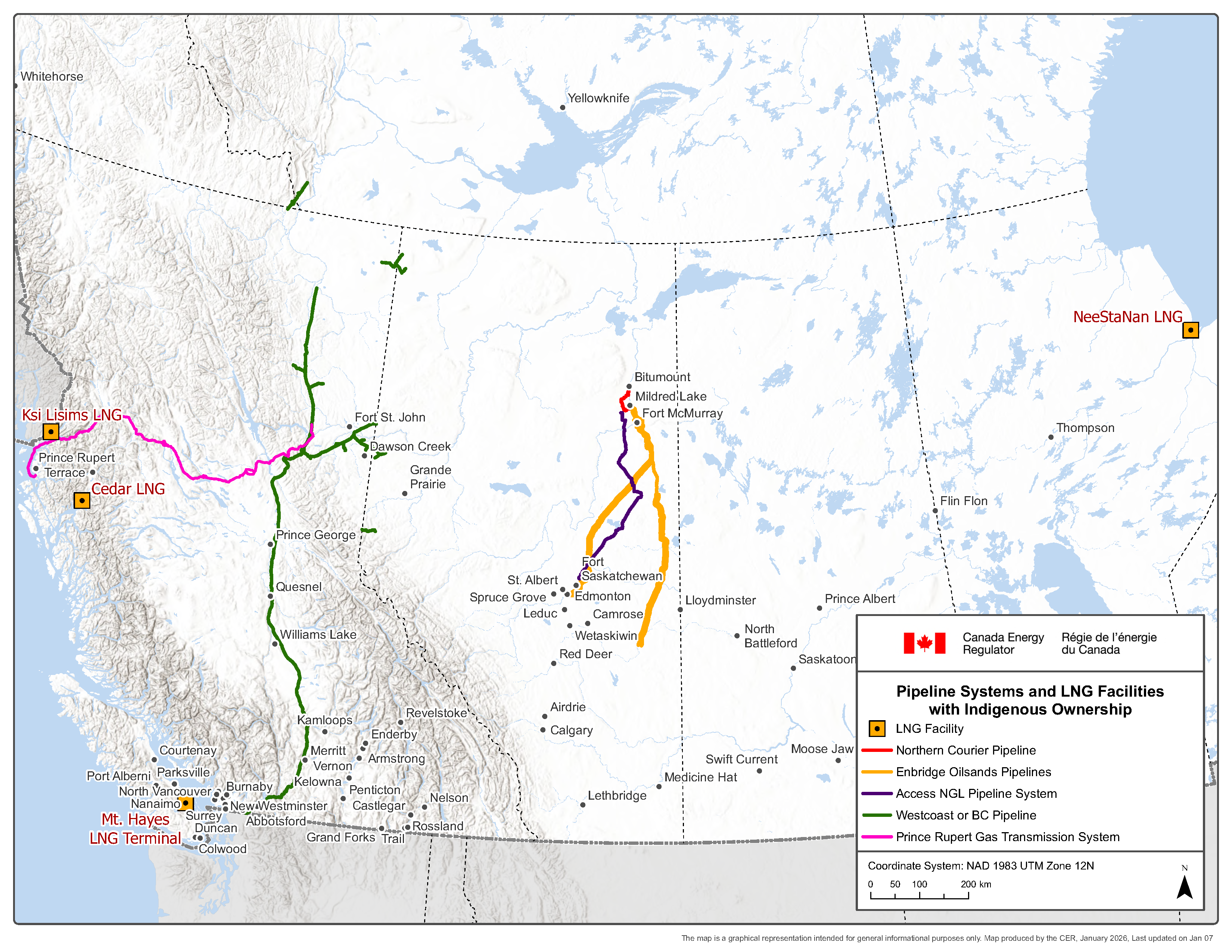
Indigenous ownership of oil and gas projects has surged in the past five years, according to the Canada Energy Regulator (CER).
The CER reports that since 2021, Indigenous communities have acquired ownership interests in more than 5,000 kilometres of pipelines across the country.
This is in addition to ownership stakes in four LNG terminals in B.C. and Manitoba at various stages of development.
Many of the agreements are supported by government loan guarantee programs like the Alberta Indigenous Opportunities Corporation.
“Overall, the growing role of Indigenous ownership in pipelines and LNG projects in Canada marks a significant shift in how major energy projects in the country are developed, financed, and managed,” the CER said.
 Turning revenue into community infrastructure
Over the past two years, PTFN and the other communities have used Clearwater equity revenues to support education initiatives, emergency preparedness, wildfire evacuations and other community priorities without the restrictions that often come with government funding.
“There are no strings attached,” Letendre says. “We decide what our community needs most.”
One of the most visible examples is the Nation’s upgraded outdoor hockey rinks — $1.4-million structures with shells, lighting, boards and higher construction standards.
“These aren’t temporary fixes,” he says. “They’re built to last.”
Letendre says the energy partnership has strengthened and diversified PTFN’s economic base.
While the community’s locally owned construction company creates much-needed jobs and builds capacity, expansion also brings added risk and expense.
“The equity deal is straight revenue. It did in one year what our construction revenue did in three – more than $500,000 a year – and if the company does well in production, it could be more,” he says.
A pattern repeating across Canada
Peerless Trout’s experience is not unique.
At Willow Lake Métis Nation, ownership of energy infrastructure has been transformative in similar ways.
After investing in Suncor Energy’s Northern Courier Pipeline, the Nation was able to purchase 205 acres of land near Fort McMurray — its first modern homeland — now known as Sohkastwâwin, a Cree word meaning “resilience.”
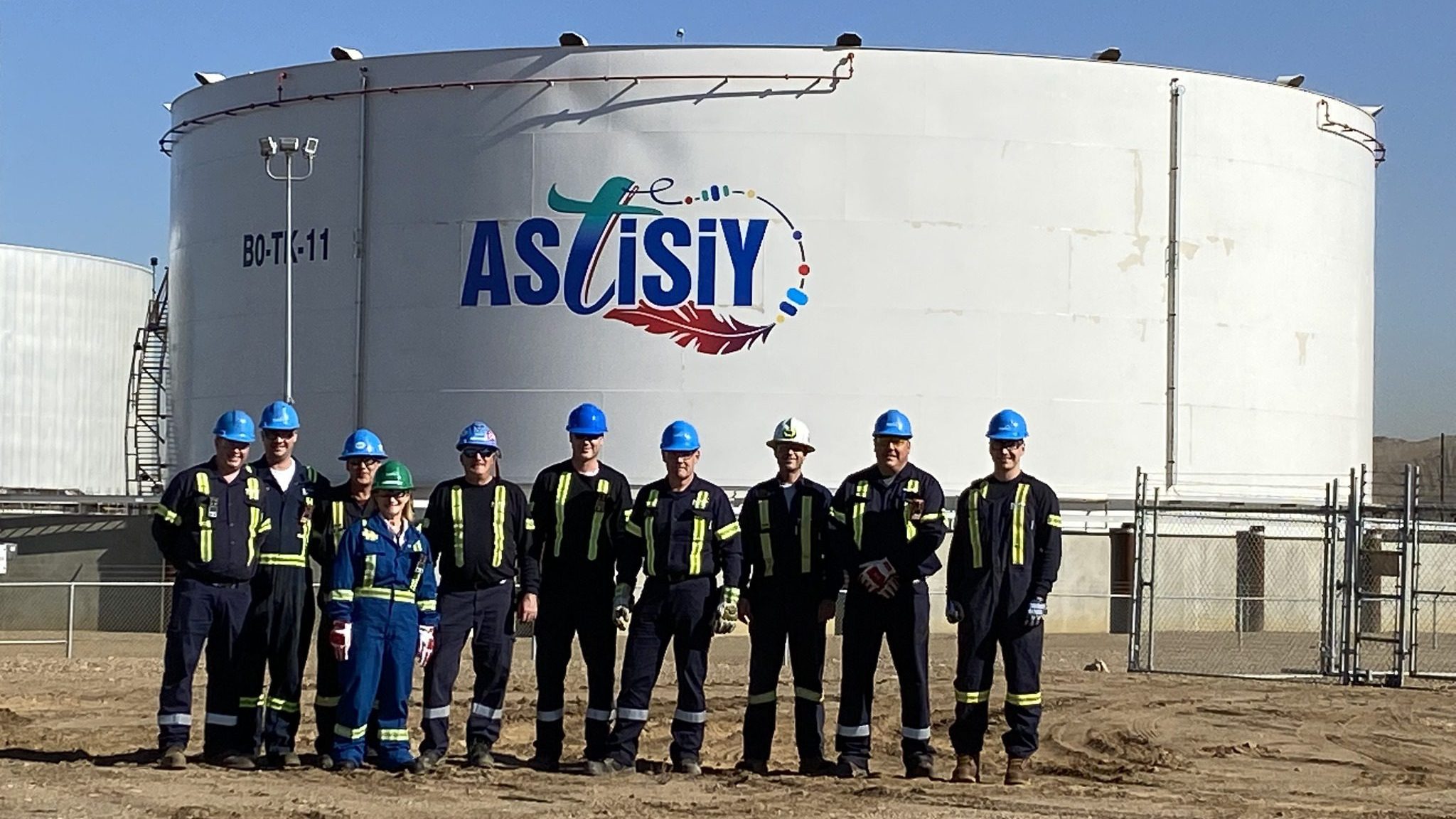
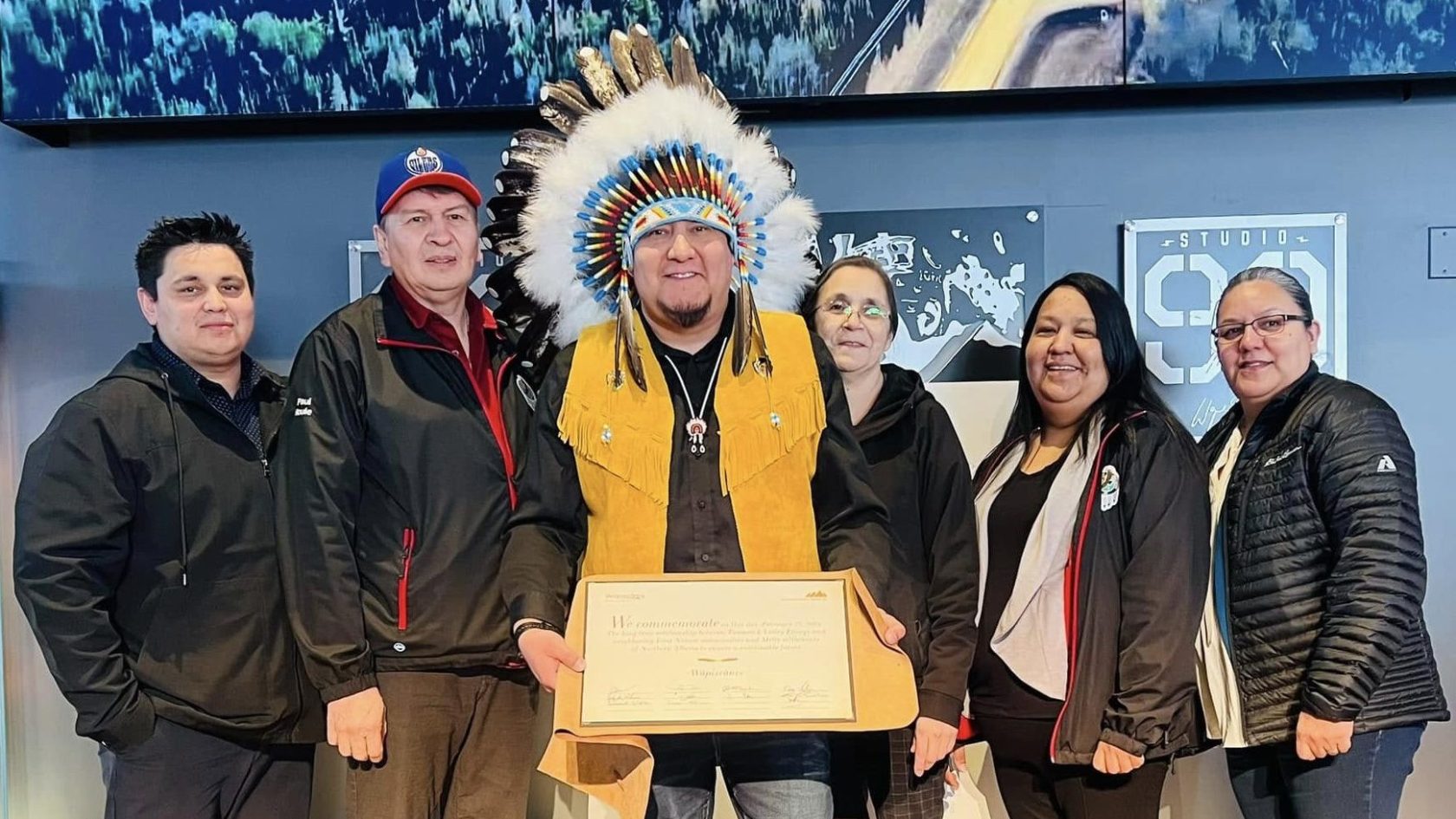
Astisiy Limited Partnership, representing eight Indigenous communities, acquired Suncor’s 15 per cent interest in the Northern Courier Pipeline. Photo courtesy Alberta Indigenous Opportunities Corporation
Revenue from that deal has since been used to support housing, cultural programming and the purchase of a campground and RV park that Willow Lake plans to redevelop into an Indigenous tourism destination.
“For us, ownership means stability, being able to plan for the long term and invest in what matters most to each community,” says Justin Bourque, former CEO of the Nation who now leads a consulting firm specializing in negotiation and management of meaningful Indigenous-led industry partnerships.
“Equity ownership doesn’t replace consultation requirements for energy companies. When you add the two together, it’s a deeper relationship that’s more well-rounded and more engaged.”
That same principle underpins Enbridge’s Project Rocket, a landmark partnership that saw 23 First Nations and Métis communities acquire an ownership stake in seven major pipeline assets in northern Alberta in 2022.
One of the largest Indigenous equity transactions in North America, the deal has provided about $25 million over the last three years – steady, long-term revenue that communities are using for housing, education, elder supports and economic diversification.
Enbridge’s latest Indigenous partnership saw 38 First Nations acquire 12.5 per cent equity ownership of the company’s Westcoast natural gas pipeline system in British Columbia for approximately $736 million.
Squiala First Nation Chief David Jimmie said the deal will generate sustained economic benefits for the community from an asset that has operated within its traditional territories for more than 65 years.
“People often ask what economic reconciliation for Indigenous Peoples looks like. This is it,” he said when the partnership was announced last May.
From ‘too good to be true’ to a new normal
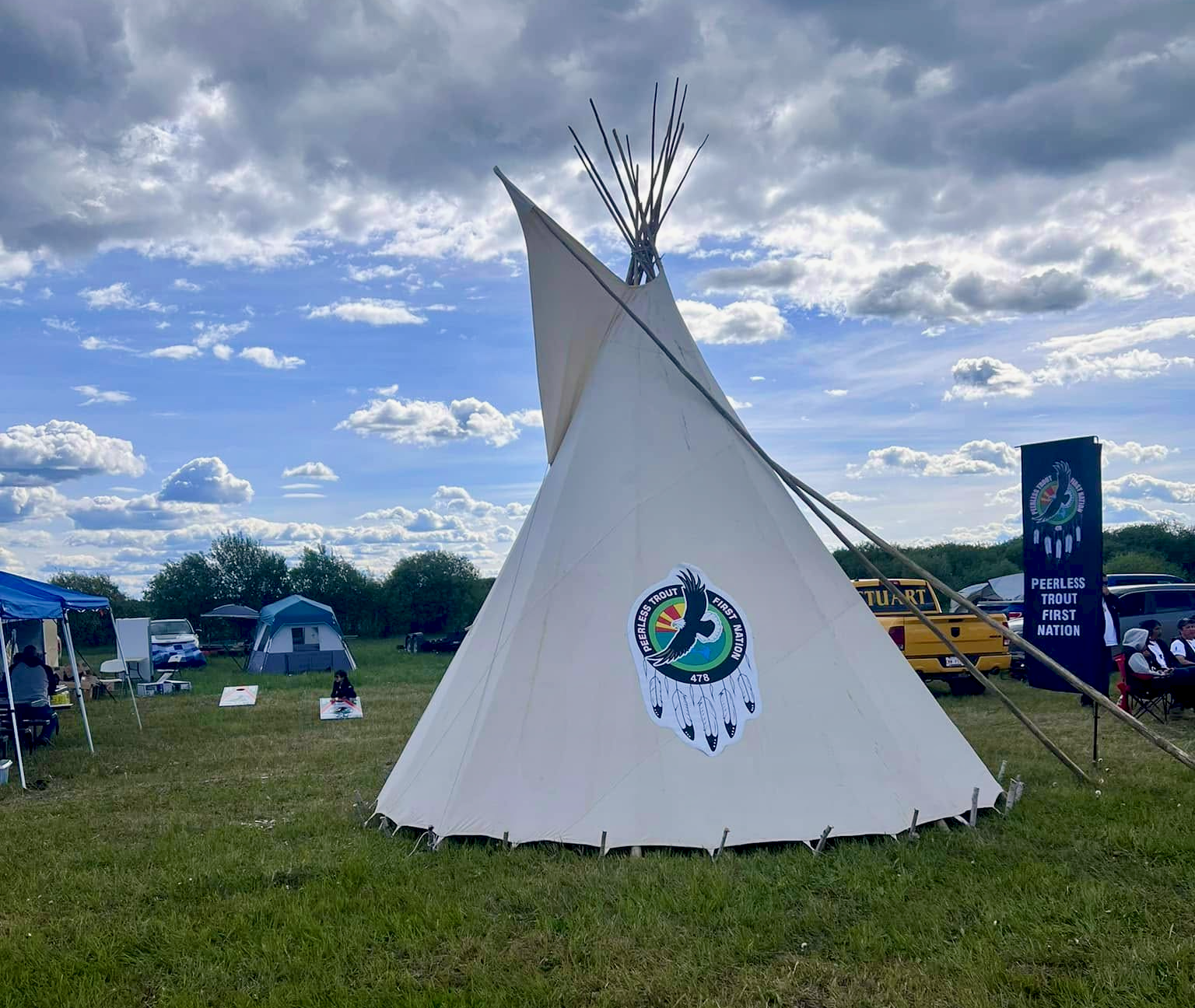
Photo courtesy Peerless Trout First Nation/Facebook
For Peerless Trout First Nation, equity ownership has also unlocked the ability to think beyond immediate needs.
The Nation is now in the design phase of a fishing lodge and resort, a project aimed at diversifying the local economy and creating sustainable employment based on the fantastic fishing in the area’s lakes and rivers.
With equity in energy assets under its belt, the community is now able to leverage other financing for business ventures that were previously out of reach.
“At the beginning, it felt too good to be true, but it’s not,” Letendre says.
“Now we’re not just sitting back waiting for opportunities to arrive. We have the experience to be able to go out and approach industry on our own and pursue more partnerships,” he says.
“If we can do 10 more deals like this, it will benefit our people hundreds of times over for generations.”
The unaltered reproduction of this content is free of charge with attribution to the Canadian Energy Centre.